





Blogs
-
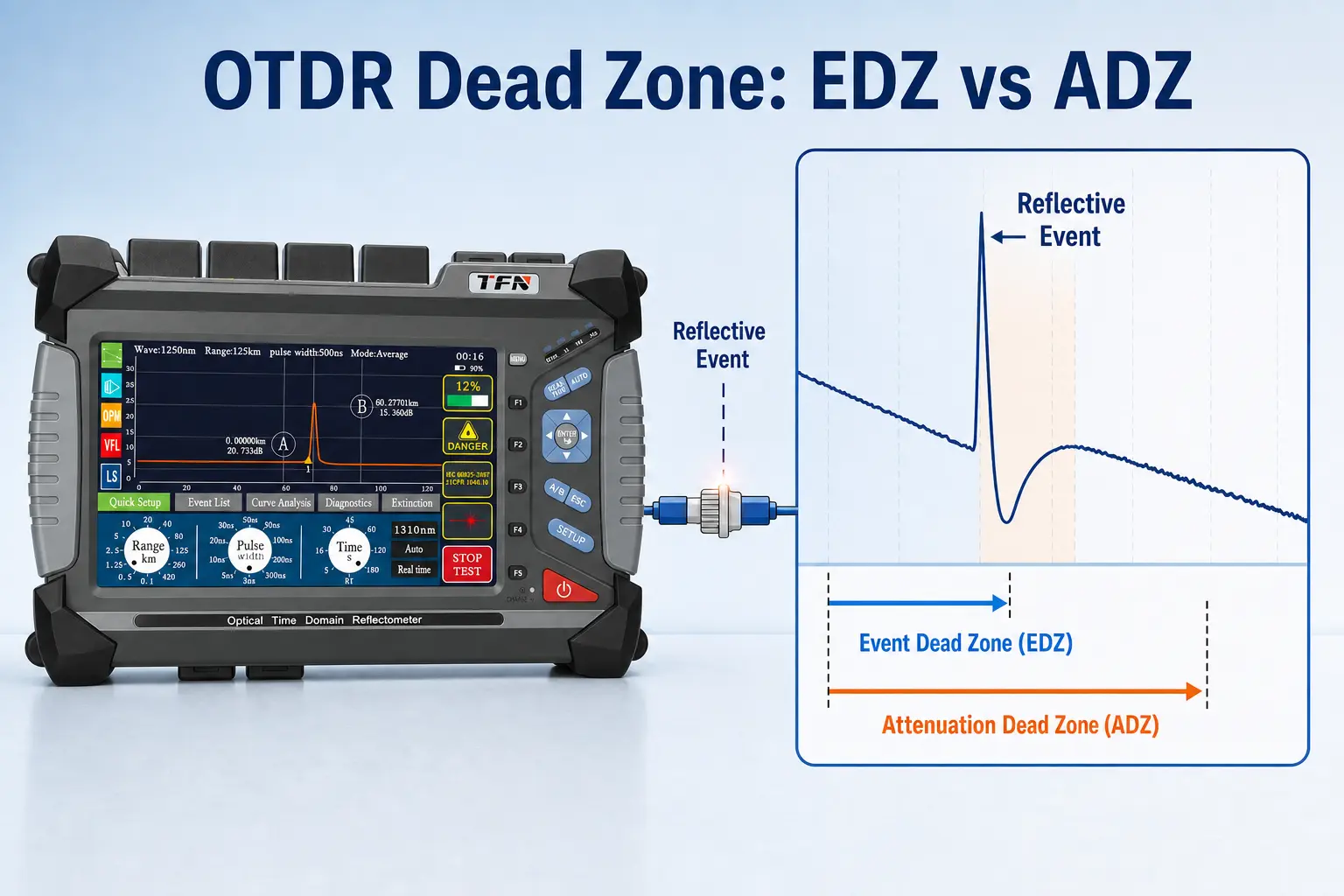
OTDR Dead Zone Explained: Why You Miss Events Near Connectors (and How to Fix It)
An OTDR dead zone is the length of fiber, immediately after a strong reflection, where the OTDR cannot detect or accurately measure events. It happens because the reflection temporarily saturates the OTDR’s detector — like being briefly blinded after a… Seguir leyendo
-
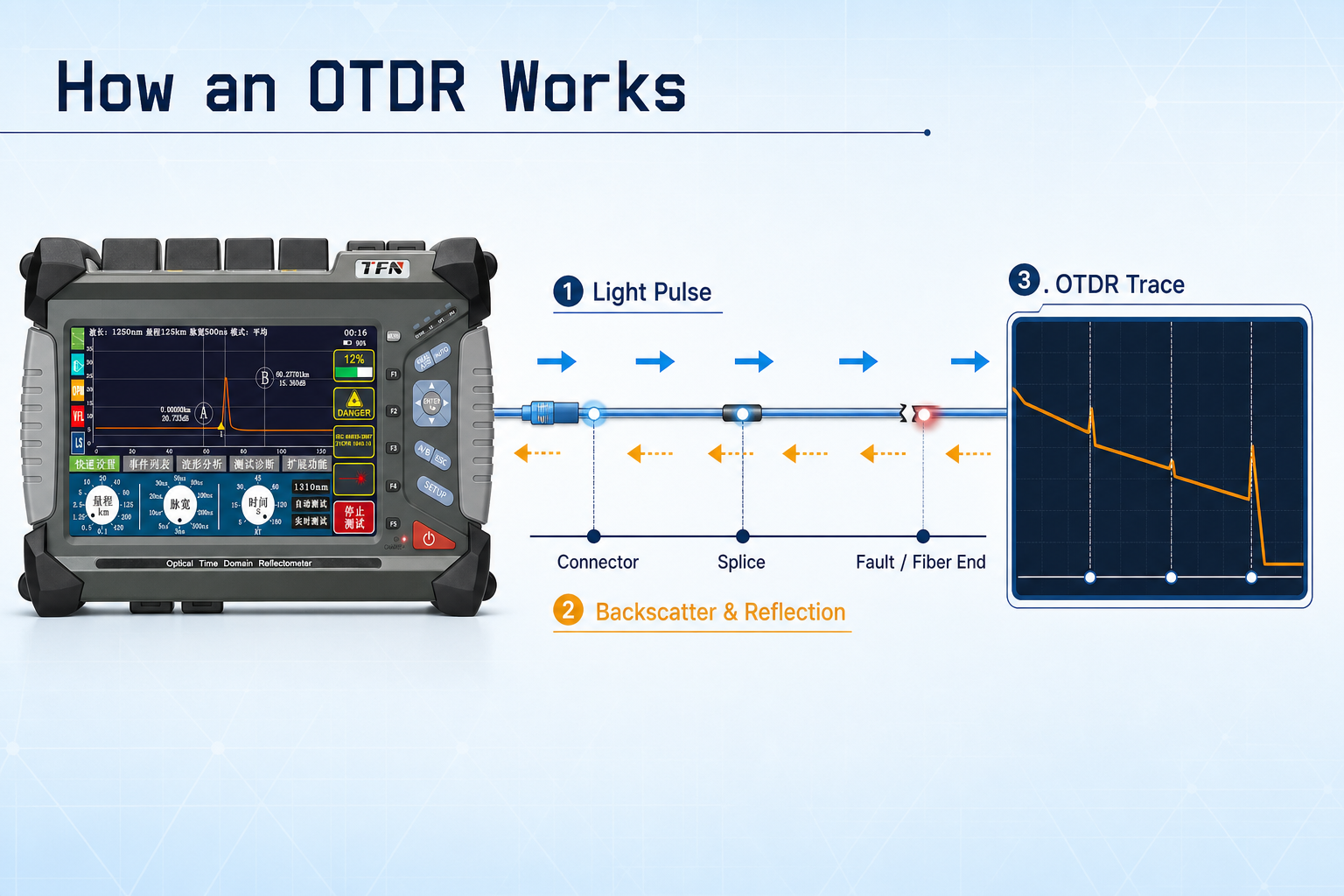
How Does an OTDR Work? The Science Behind the Trace
An OTDR works by launching short pulses of laser light into one end of a fiber, then measuring the tiny fraction of light that scatters and reflects back to the same end. Because light travels through glass at a known,… Seguir leyendo
-
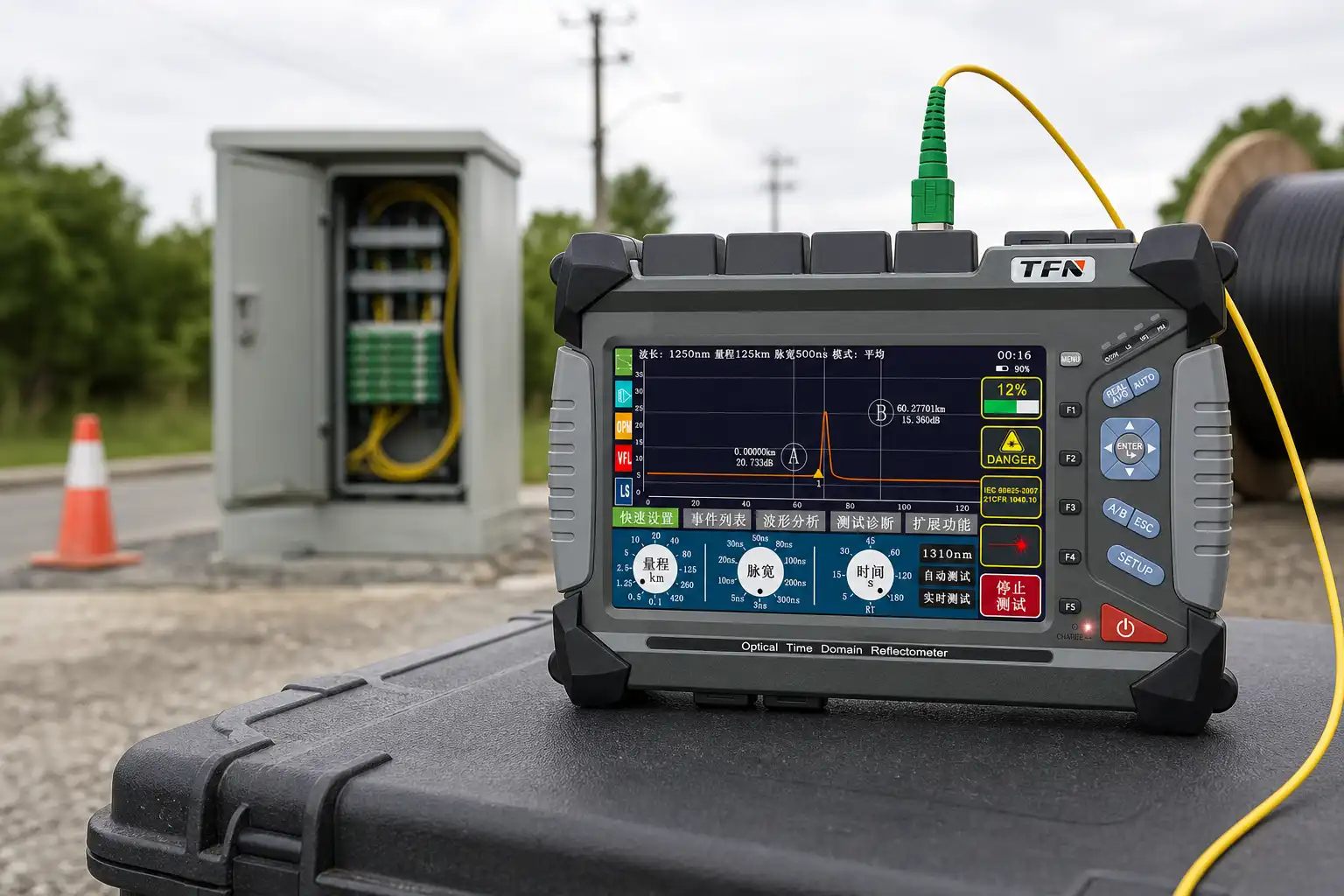
What Is an OTDR?
An OTDR, or Optical Time Domain Reflectometer, is a handheld or benchtop instrument that tests the health of a fiber optic cable from a single end — without needing access to the far end. It sends short pulses of laser… Seguir leyendo
-

TFN RS3: A Fiber Optic Hot Stripper for Field Cable Work
Long-haul fiber optic cable installation is rarely carried out in ideal conditions. Outside-plant crews may spend several hours or even several days working along a cable route, often dealing with changing temperatures, limited workspace, and the need to maintain consistent… Seguir leyendo
-
Which Handheld Spectrum Analyzer Can Quickly Locate RF Interference?
RF interference is rarely convenient. It may appear for a few seconds and disappear before an engineer can connect a test instrument. It may sit outside the frequency range of a standard analyzer. In other cases, the affected system is… Seguir leyendo
-
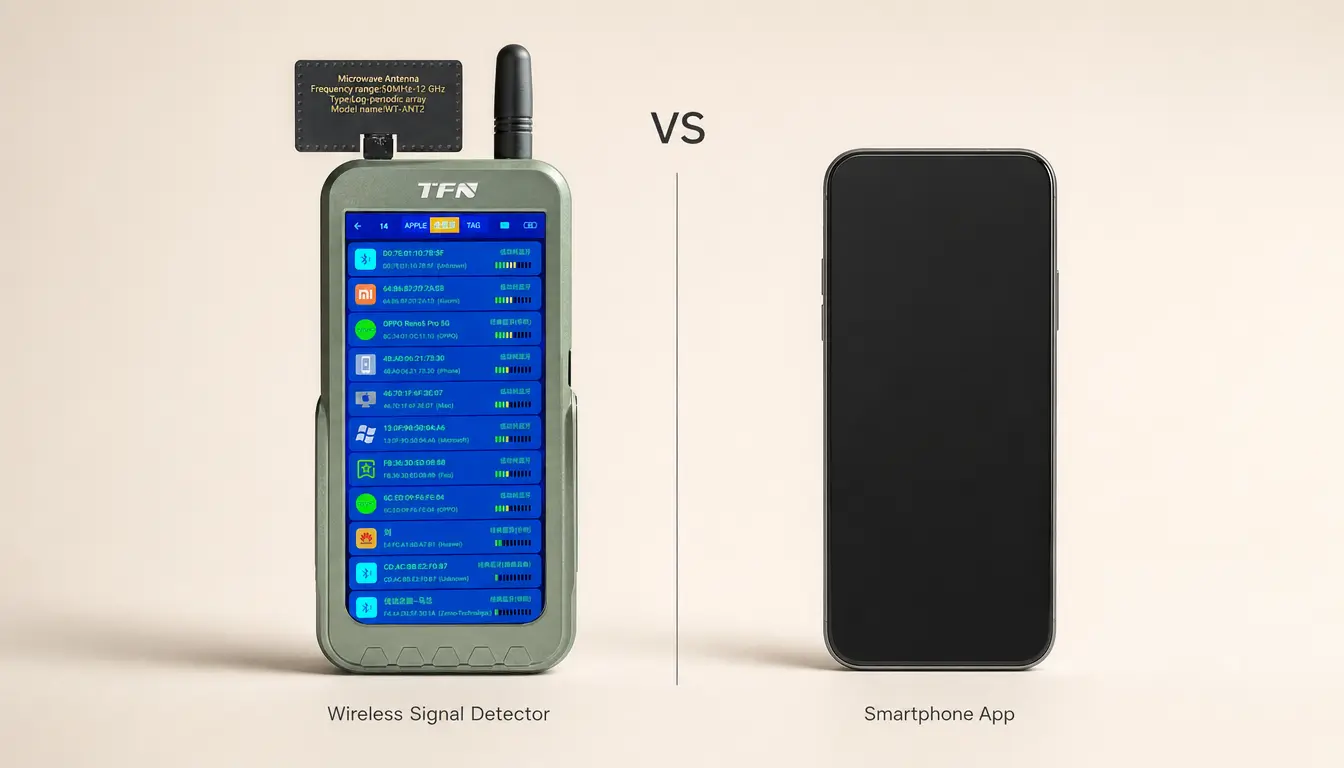
RF Detector vs. Smartphone App: Which Actually Finds Hidden Cameras?
A dedicated wireless signal detector finds any actively transmitting device — hidden Wi-Fi cameras, analog video bugs, Bluetooth beacons, even cellular GPS trackers — because it “hears” raw radio energy. A smartphone app only sees cameras that connect to the… Seguir leyendo
-
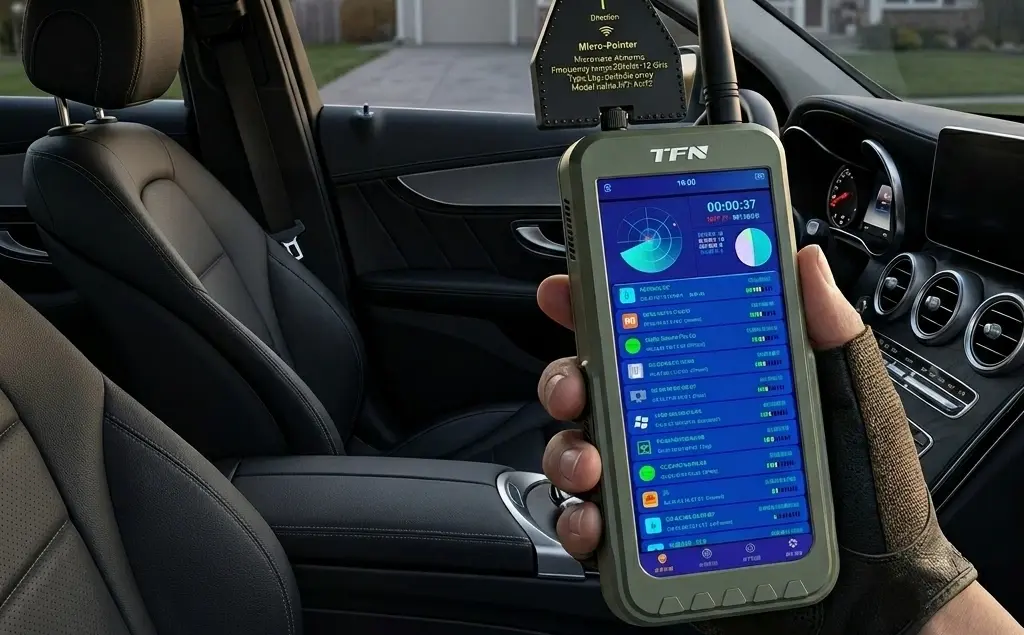
RF Signal Detector Guide: How to Find Hidden Cameras, GPS Trackers, and Listening Devices
An RF signal detector (also called a wireless signal detector) is a handheld tool that scans a room or vehicle for radio-frequency emissions and alerts you when a transmitting device — a hidden camera, a GPS tracker, or a listening… Seguir leyendo
-

Antenna and Cable Analyzer: A Critical Testing Tool for Base Station Maintenance
The coverage quality and service stability of mobile communication networks rely heavily on the integrity of base station antenna feeder systems. As a fundamental tool for RF maintenance, the accuracy, calibration efficiency, and application flexibility of an antenna and cable… Seguir leyendo
-
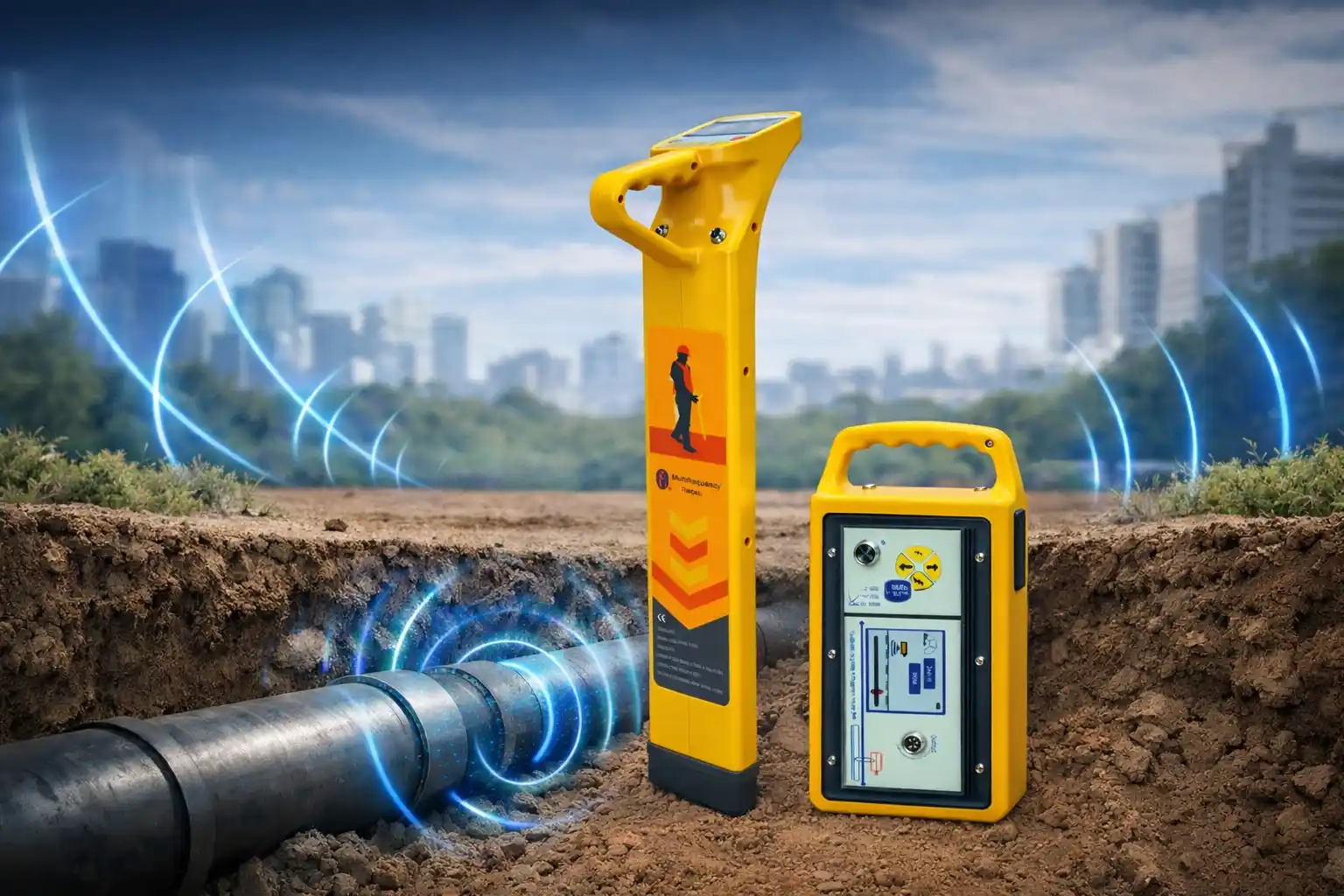
The Role of Underground Pipeline Locators in Urban Infrastructure Management
With the continuous advancement of urbanization, underground spaces in cities are becoming increasingly crowded with complex networks of power cables, communication lines, water supply pipelines, gas pipelines, heating systems, and petrochemical pipelines. Traditional management methods that rely on as-built drawings… Seguir leyendo
-
How OTDR Improves Power Grid Optical Fiber Maintenance and Fault Detection
With the continuous expansion of cross-regional power grids, optical fiber cables used in power systems are increasingly characterized by long transmission distances, complex installation environments, and higher maintenance requirements. As a core tool for optical cable testing, OTDR (Optical Time… Seguir leyendo