





Étiquette : comment faire
-
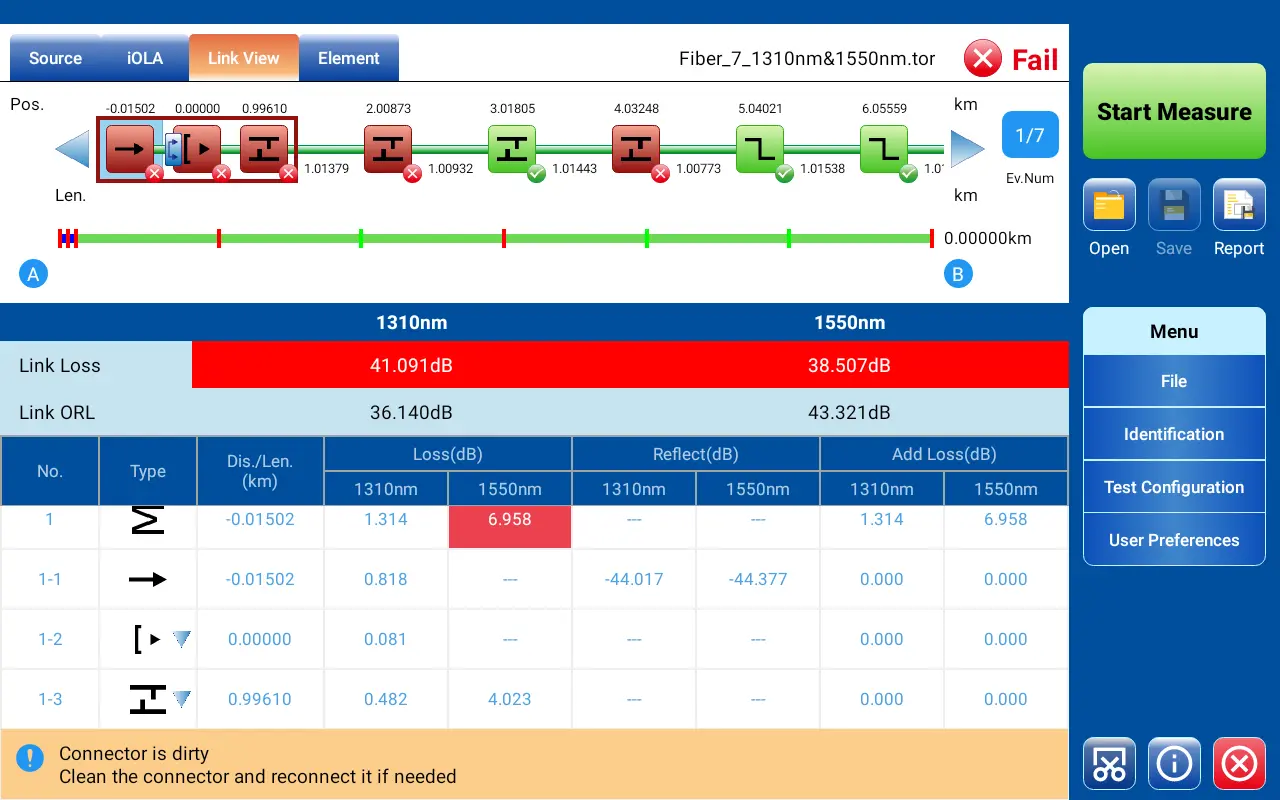
How to Detect Fiber Macrobends with an OTDR
Short answer: An OTDR detects a macrobend by measuring the loss of the same event at two wavelengths, usually 1310 nm and 1550 nm. Bend…
-
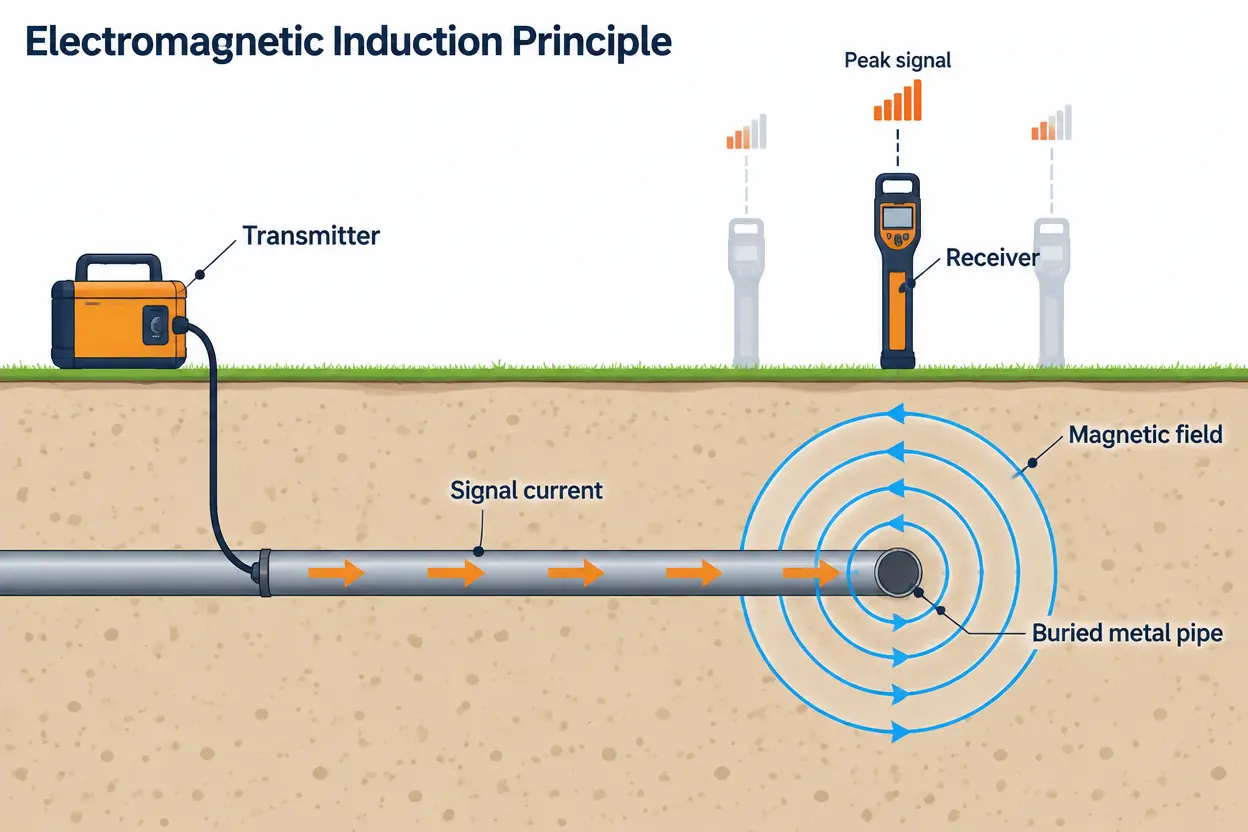
How an Underground Pipe Locator Finds Route and Depth
Short answer: An underground pipe locator finds a buried metal pipe or cable by putting an alternating-current signal onto the line and then measuring the…
-
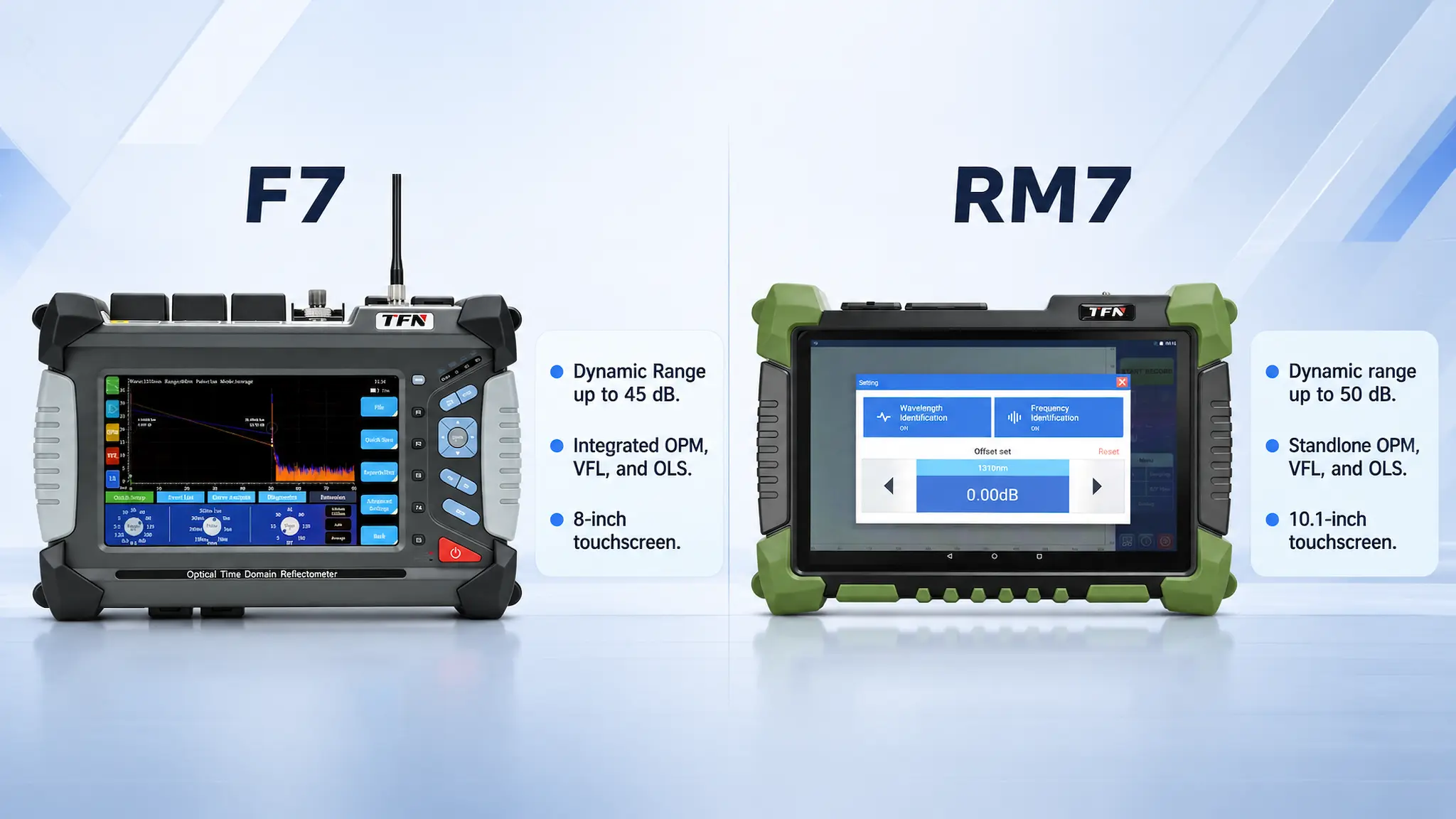
How to Choose the Right OTDR? A Buyer’s Guide in 2026
Investing in an Optical Time Domain Reflectometer (OTDR) is one of the most critical equipment decisions for any fiber contractor, network operator, or utility…
-

OTDR vs Power Meter (OLTS): Which Fiber Test Tool Do You Actually Need?
A power meter tells you how much light arrives. Paired with a light source, the two form an optical loss test set (OLTS) that…
-
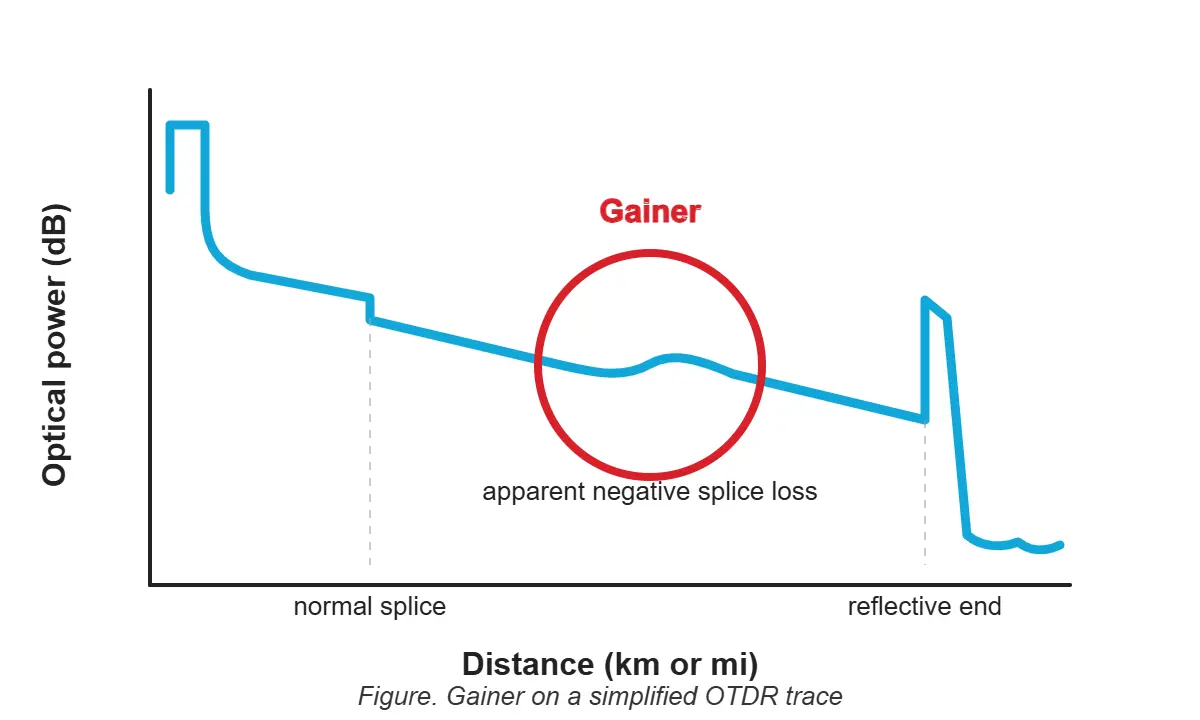
OTDR Gainer: What It Is, Why It Happens, and How to Handle it
A gainer is a splice or connector that an OTDR shows with negative loss, as if the joint added light to the fiber. It…
-

OTDR Testing for FTTH and PON Networks: Why Standard Settings Fail and What to Do Instead
An OTDR set up the way you would for a point-to-point link gives misleading results on a PON. The splitter adds a loss step…
-

Bidirectional OTDR Testing: When Standards Require It and How to Do It Right
Bidirectional OTDR testing means shooting the same fiber from both ends and averaging the two loss readings for every splice and connector. You do…
-
OTDR Launch Cable: Why You Need One, How Long It Should Be, and Whether to Buy or Build
If you’ve run an OTDR test without a launch cable, you’ve probably noticed the trace starts with a blind region right where your first…
-

How to Read an OTDR Trace: A Practical Guide with Real Examples
To read an OTDR trace, follow the line from left to right. The horizontal axis is distance along the fiber. The vertical axis is…
-
How to Use an OTDR: A Field Guide That Skips the Theory
Most OTDR guides spend the first half telling you what an OTDR is. You already know — you’re standing at a splice enclosure with…