





Blogs
-
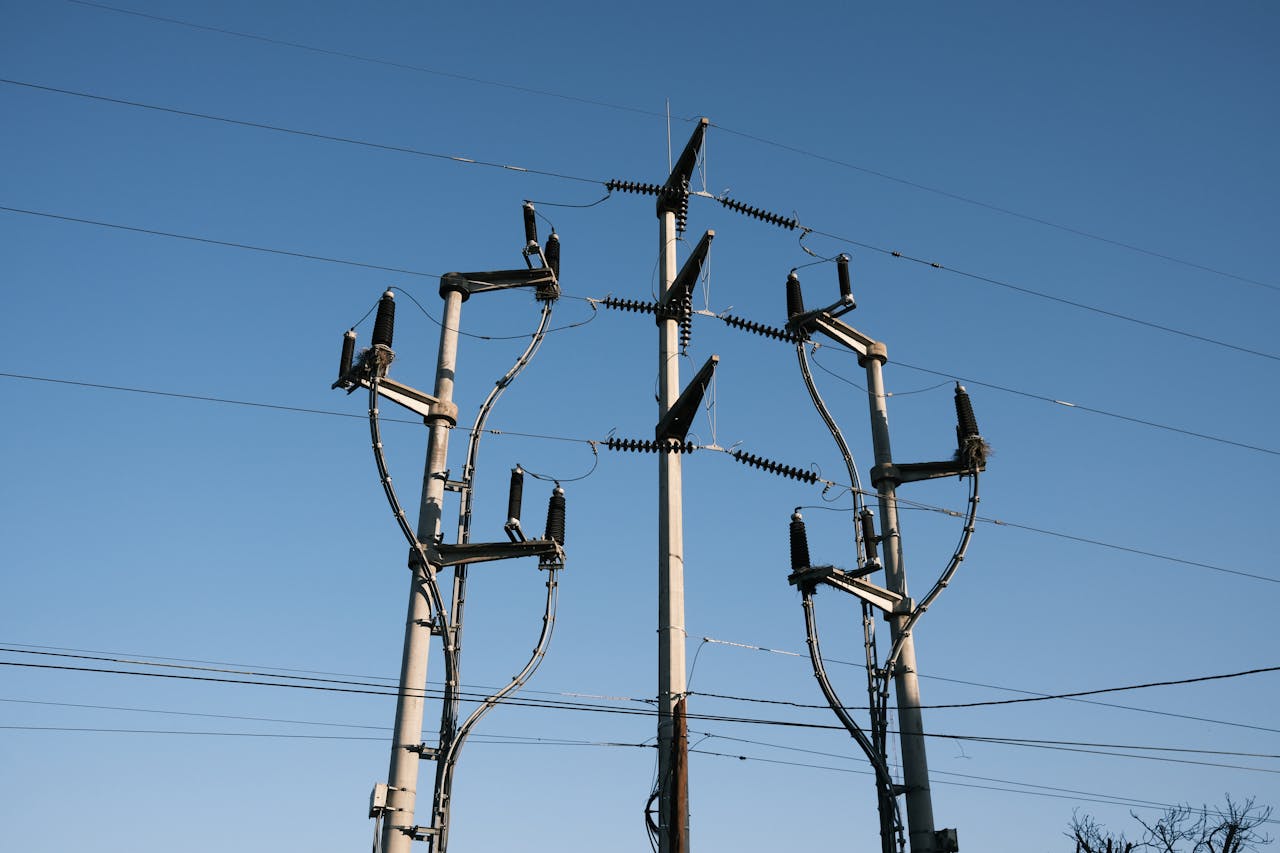
Quelles sont les différences entre les analyseurs de spectre et les analyseurs de spectre optique ?
In modern scientific research, communications, and material analysis, both spectrum analyzers and optical spectrum analyzers are essential precision measurement instruments. Although their names sound similar and both deal with “spectra,” they operate in entirely different domains of the electromagnetic spectrum.… Lire la suite
-
Comment choisir la bonne gamme de test OTDR pour des mesures précises de la fibre optique ?
When maintaining or commissioning a fiber optic network, the Optical Time Domain Reflectometer is the primary tool used to assess link quality, detect fiber faults, and verify network integrity. Choosing the correct OTDR test range is essential for achieving precise… Lire la suite
-

Comment choisir un testeur de défauts de câbles ?
Cable fault testers are specially used to detect power cable faults. It can help professional technicians quickly and accurately detect the fault location and nature of the cable. It is very useful for locating faults of high-voltage and large-capacity power… Lire la suite
-
Comment utiliser l'OTDR pour localiser les défauts des liaisons par fibre et évaluer les performances ?
As the cornerstone of modern information transmission, the link stability of fiber optic communication directly affects the network quality. As the core tool for fiber maintenance, optical time domain reflectometer (OTDR) can quickly locate fault points and evaluate link performance.… Lire la suite
-
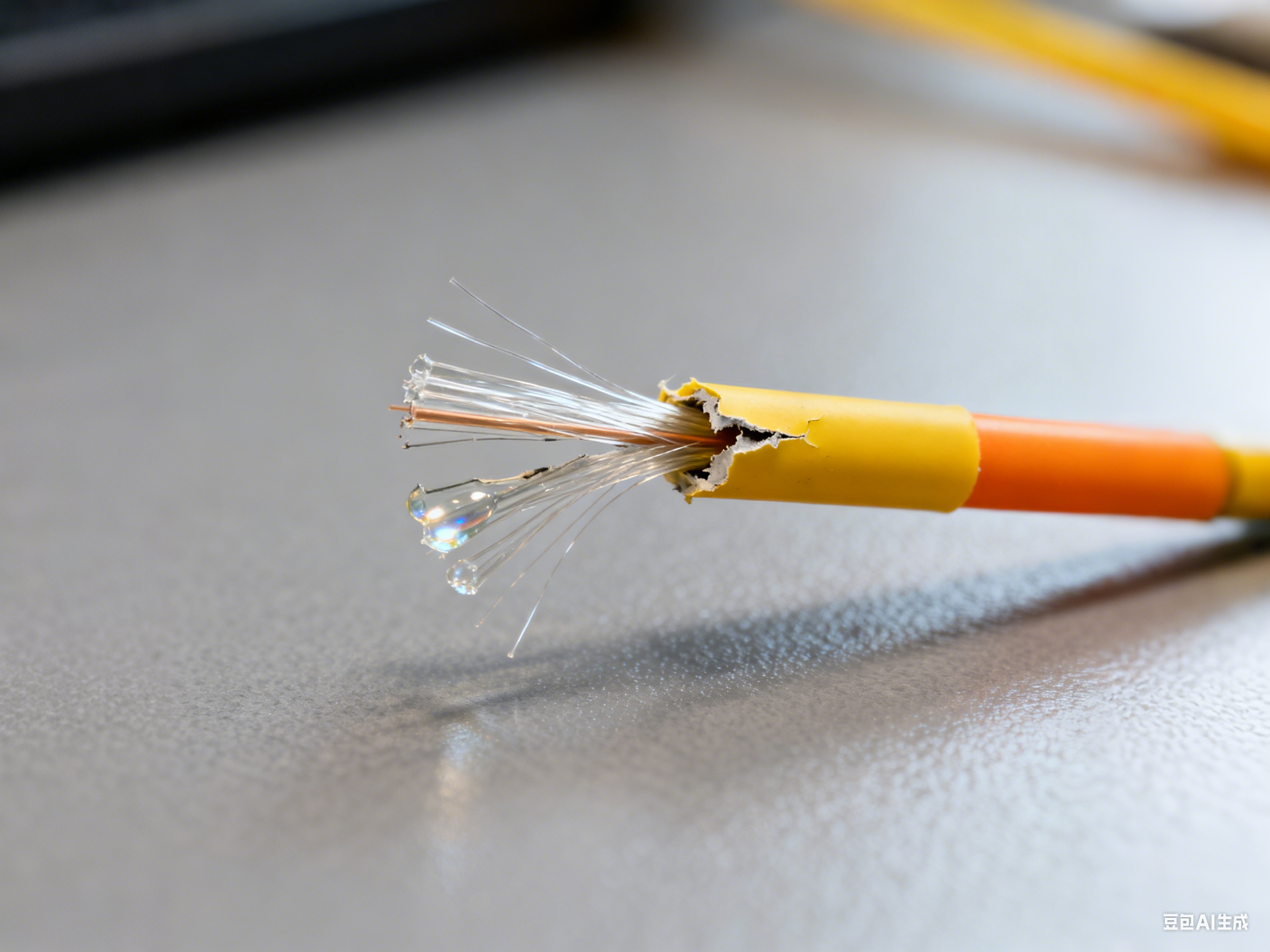
Comment la gamme dynamique détermine la distance de test OTDR?
Dynamic Range (DR) measured in dB, represents an OTDR’s capacity to distinguish between backscattered signals and system noise. Higher DR directly enables extended testing distances and uperior event detection accuracy. As verified in TFN’s RM7 OTDR datasheet, its industry-leading… Lire la suite