





Blogs
-
¿Qué diferencias hay entre los analizadores de espectro y los analizadores ópticos de espectro?
In modern scientific research, communications, and material analysis, both spectrum analyzers and optical spectrum analyzers are essential precision measurement instruments. Although their names sound similar and both deal with “spectra,” they operate in entirely different domains of the electromagnetic spectrum.… Seguir leyendo
-
Cómo seleccionar el rango de prueba correcto de OTDR para mediciones precisas de fibra óptica
When maintaining or commissioning a fiber optic network, the Optical Time Domain Reflectometer is the primary tool used to assess link quality, detect fiber faults, and verify network integrity. Choosing the correct OTDR test range is essential for achieving precise… Seguir leyendo
-

¿Cómo elegir un comprobador de averías en cables?
Cable fault testers are specially used to detect power cable faults. It can help professional technicians quickly and accurately detect the fault location and nature of the cable. It is very useful for locating faults of high-voltage and large-capacity power… Seguir leyendo
-
¿Cómo utilizar el OTDR para la localización de fallos en enlaces de fibra y la evaluación del rendimiento?
As the cornerstone of modern information transmission, the link stability of fiber optic communication directly affects the network quality. As the core tool for fiber maintenance, optical time domain reflectometer (OTDR) can quickly locate fault points and evaluate link performance.… Seguir leyendo
-
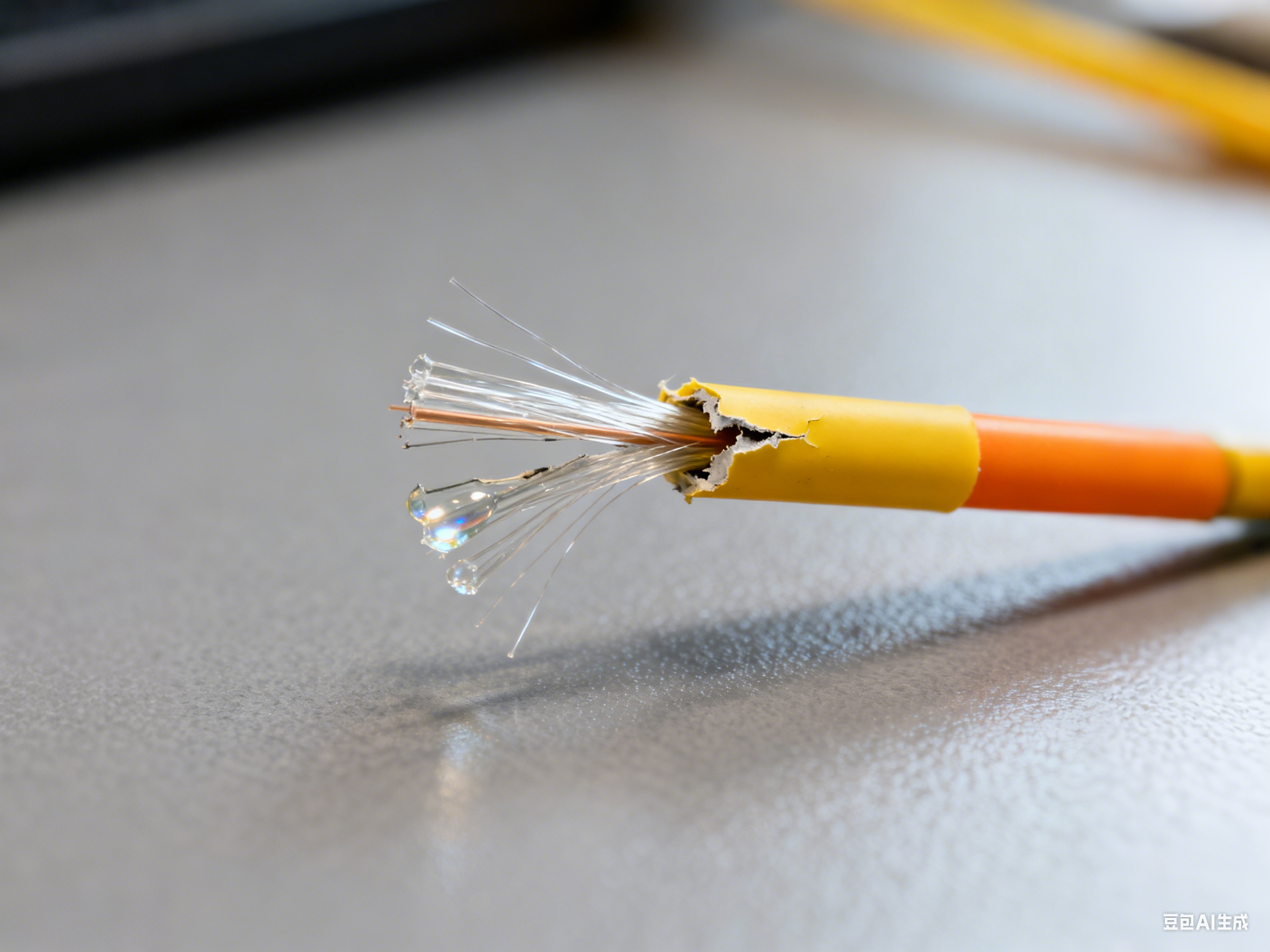
Cómo el rango dinámico dicta la distancia de prueba del OTDR?
Dynamic Range (DR) measured in dB, represents an OTDR’s capacity to distinguish between backscattered signals and system noise. Higher DR directly enables extended testing distances and uperior event detection accuracy. As verified in TFN’s RM7 OTDR datasheet, its industry-leading… Seguir leyendo