





Blogs
-
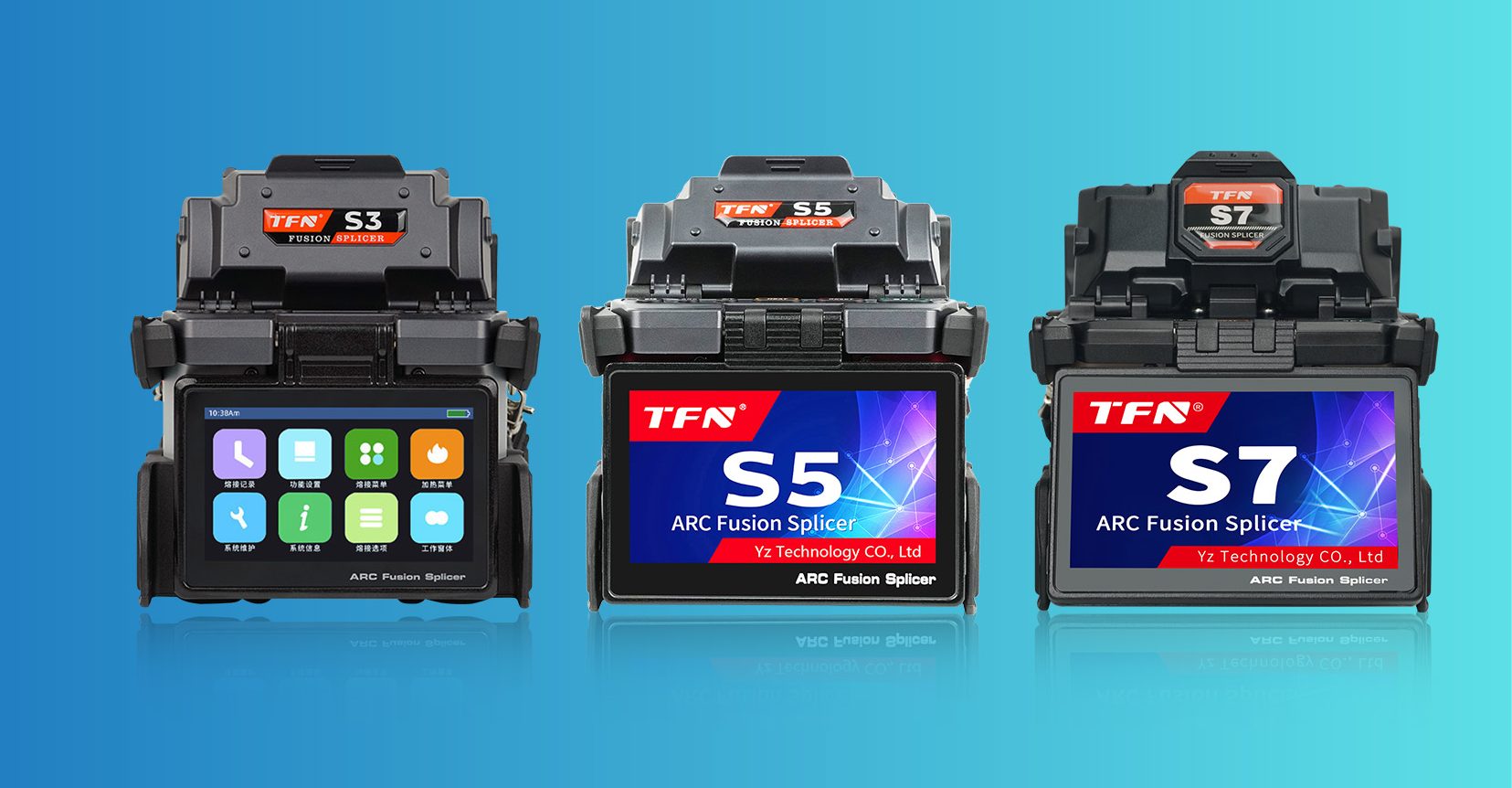
Ventilation complète de la structure de l'épisseur par fusion de fibres
The Fiber Fusion Splicer is a core device in optical communication engineering, and its performance directly impacts the quality and efficiency of fiber splicing. This article will provide an in-depth breakdown of the fiber fusion splicer’s construction from a research… Lire la suite
-
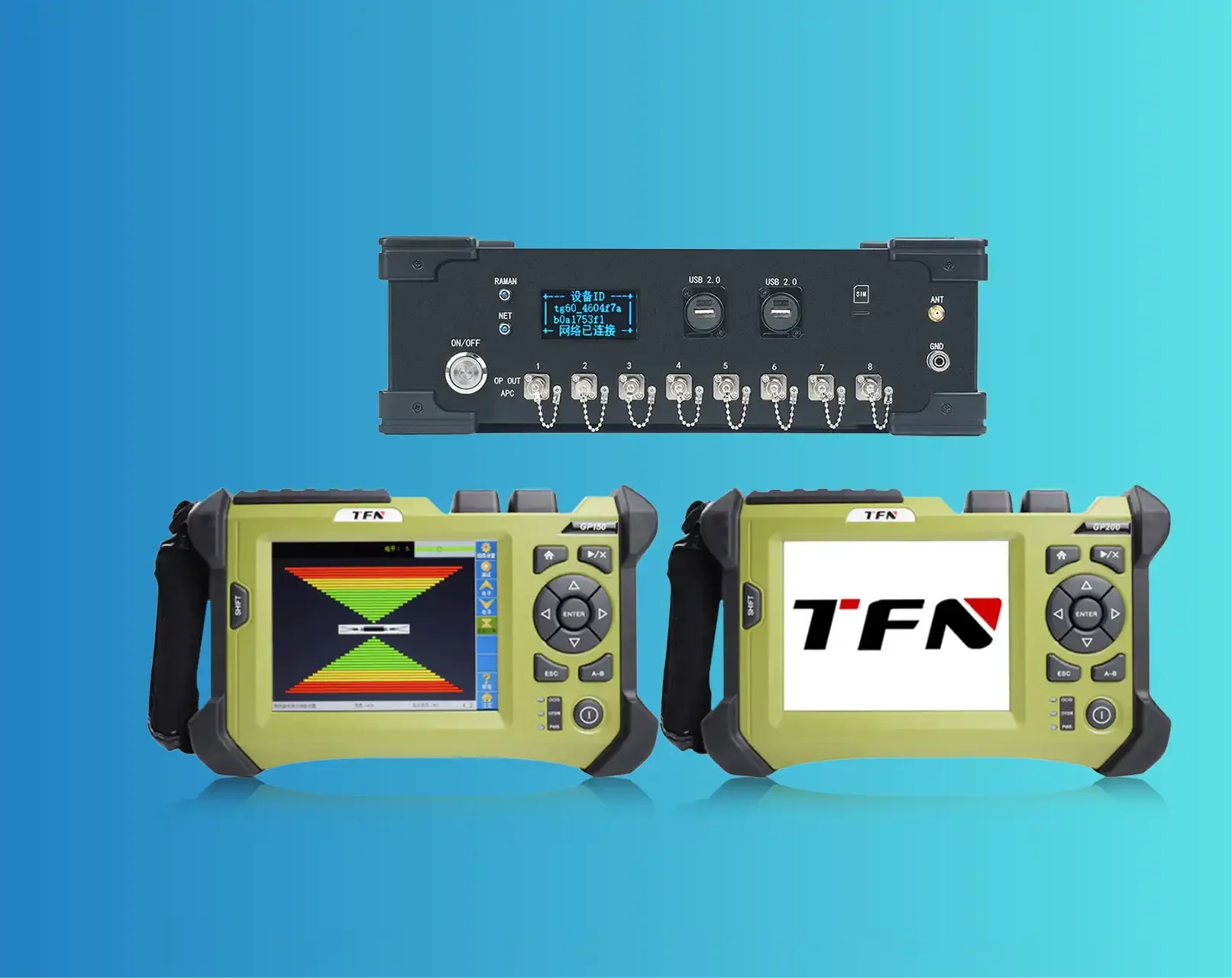
Identificateur de câble optique (OCID) : Guide pratique pour l'identification non destructive des fibres optiques
In optical communication projects, one task consistently causes trouble for field engineers: identifying the correct optical cable among dozens—or even hundreds—of similar-looking fibers. During construction, acceptance testing, or routine maintenance, a single wrong identification can lead to service interruption, rework,… Lire la suite
-
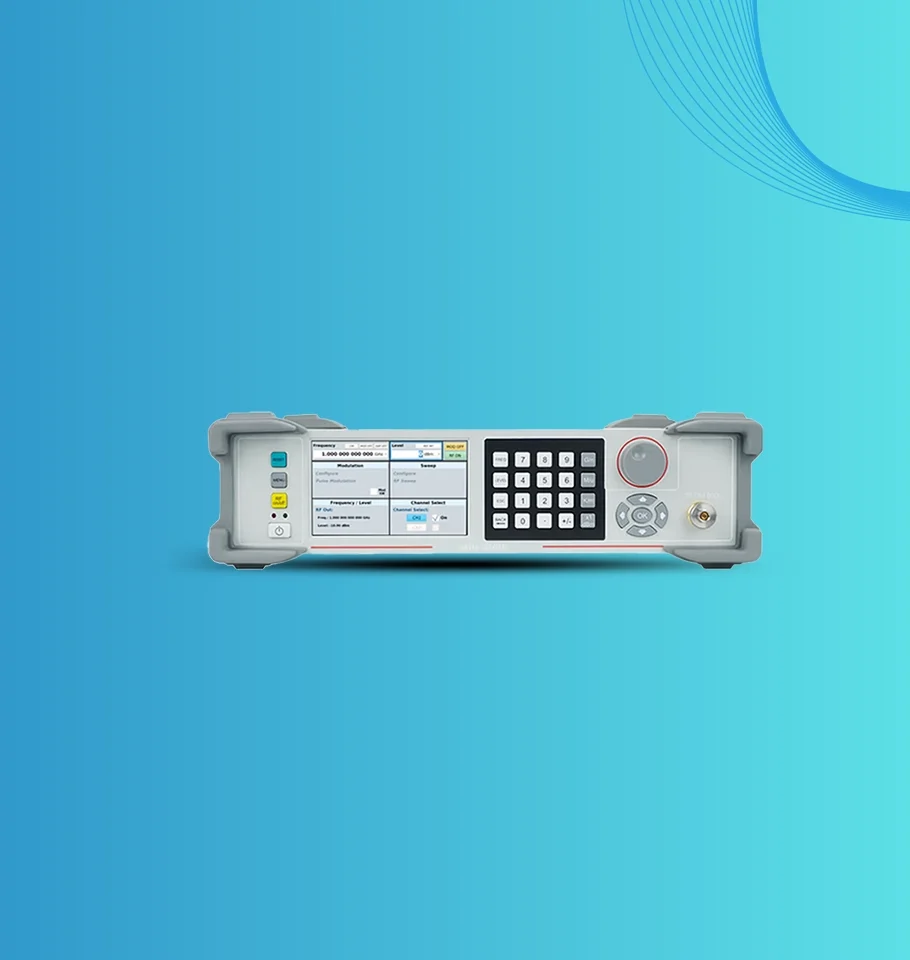
Comment choisir le générateur de signaux RF et micro-ondes adapté à votre application ?
In modern wireless communications, radar systems, satellite payload testing, quantum research, and RF module development, the microwave signal source—commonly referred to as a signal generator—plays a central role in system verification and performance evaluation. It provides stable, spectrally pure, and… Lire la suite
-
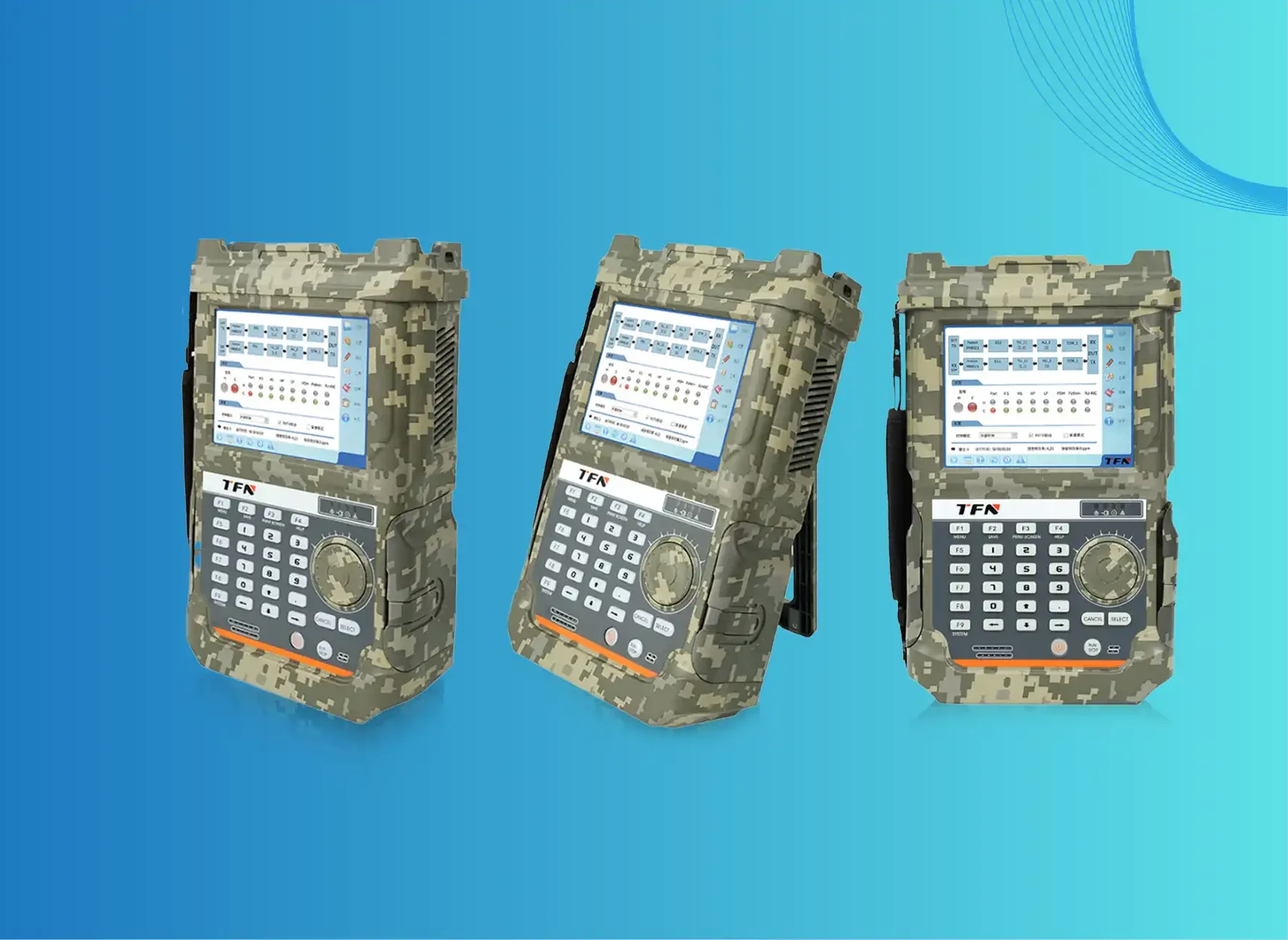
TFN T5500A : Guide pratique pour les tests 10 Gigabit Ethernet
As enterprise networks, data centers, and mobile backhaul continue to migrate toward higher bandwidth, 10 Gigabit Ethernet has become a baseline rather than a premium option. While higher speeds bring greater capacity, they also introduce new challenges in validation, service… Lire la suite
-
Analyse approfondie des mécanismes et des causes profondes des erreurs de bits
In digital communication and data storage systems, bit errors are a fundamental challenge that every engineer must confront and resolve. They directly impact system reliability and are crucial to user experience and data security. This article, from the perspective of… Lire la suite
-
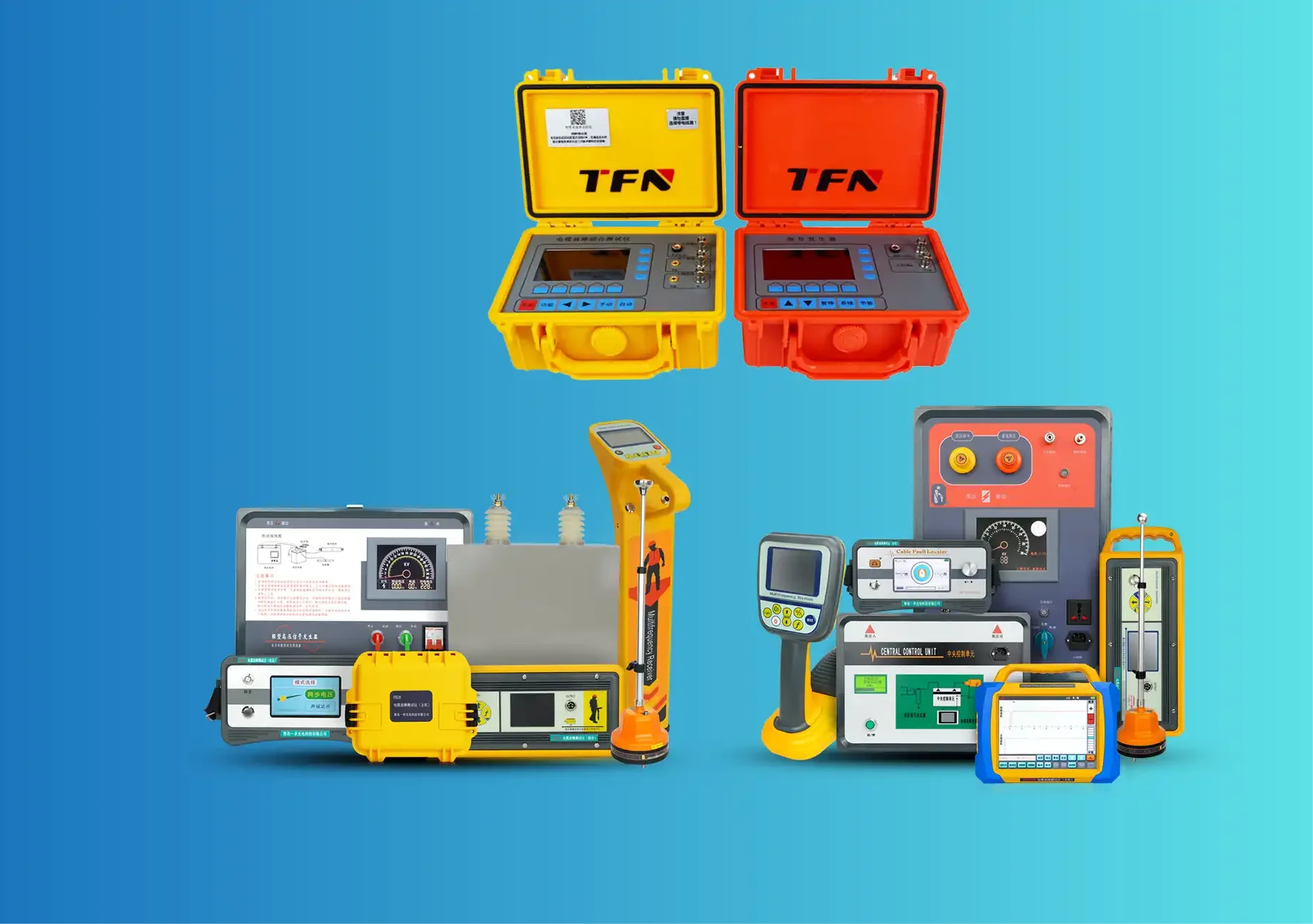
Comment le TDR (Time Domain Reflectometry) localise-t-il avec précision les défauts des câbles ?
Cables form the backbone of modern power transmission and communication networks. From underground power feeders to long-distance communication links, their reliability directly affects system stability and service continuity. Unfortunately, cable faults—such as open circuits, short circuits, insulation degradation, and joint… Lire la suite
-
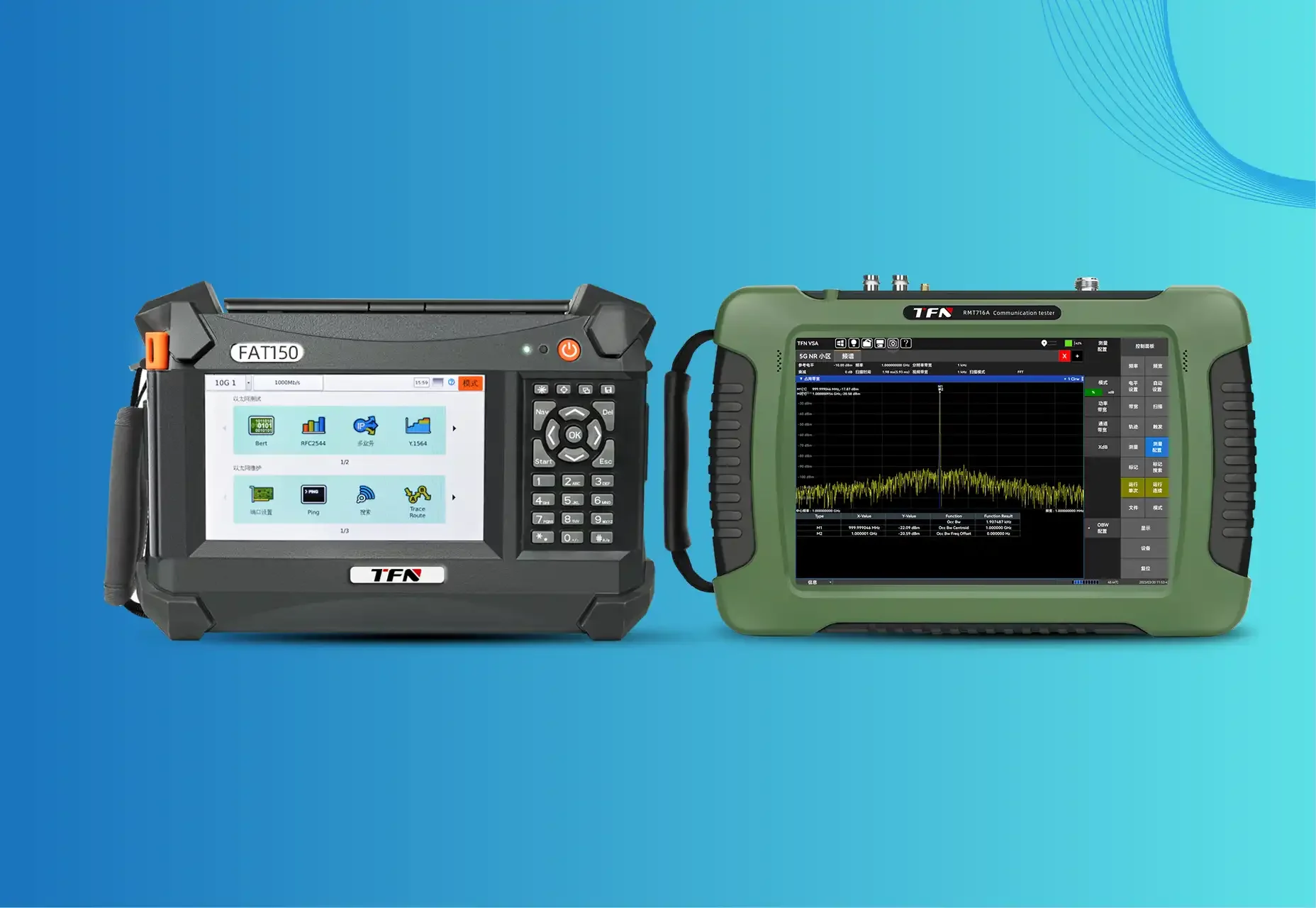
VBW vs RBW : Quelle est la différence entre la bande passante vidéo et la bande passante de résolution dans un analyseur de spectre ?
When working with a spectrum analyzer, bandwidth settings directly affect how signals are displayed, interpreted, and ultimately measured. Among all bandwidth-related parameters—such as input bandwidth, IF bandwidth, real-time bandwidth (RTBW), and sweep bandwidth—Resolution Bandwidth (RBW) and Video Bandwidth (VBW) are… Lire la suite
-
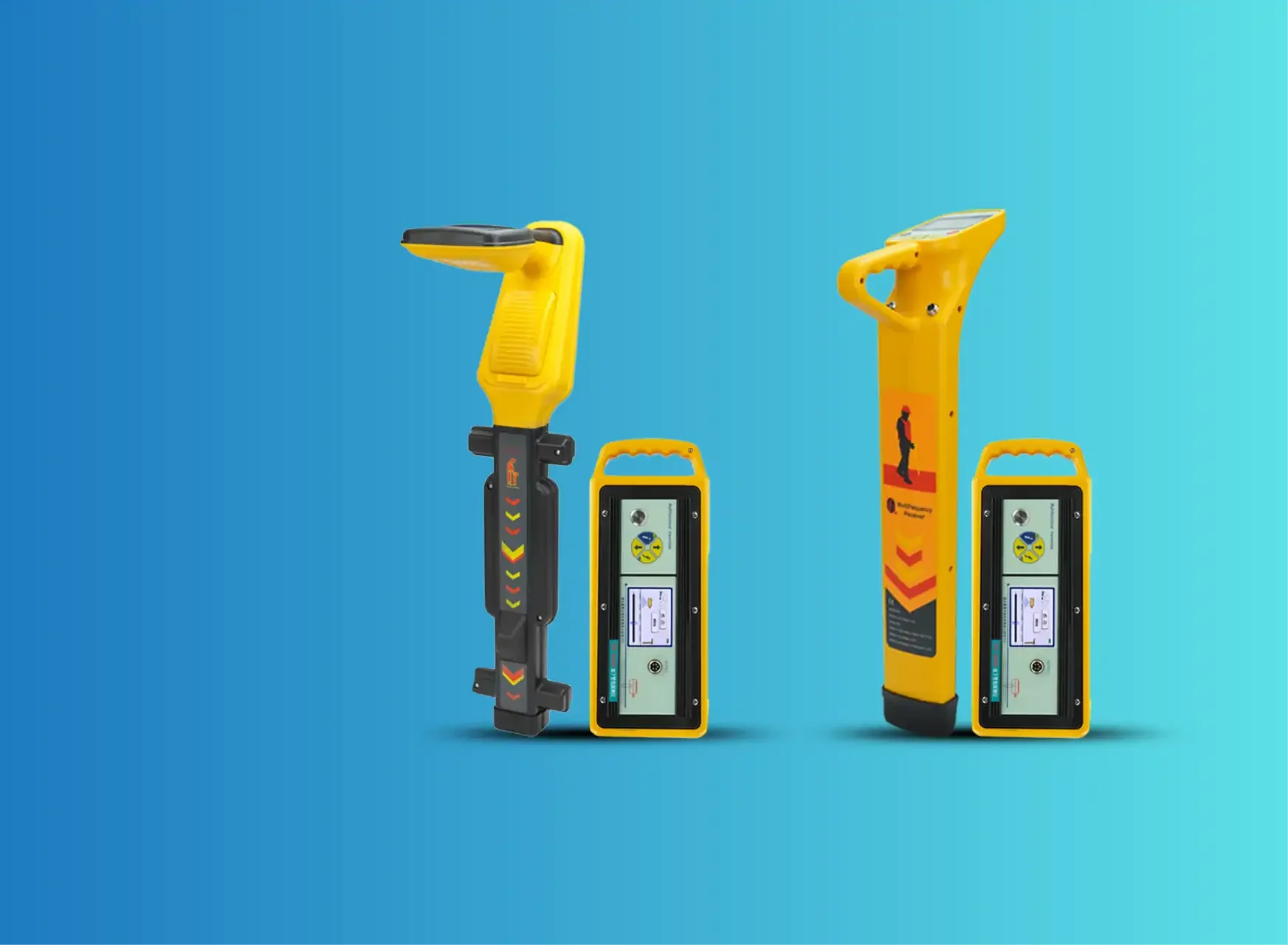
Fonctionnement de l'induction électromagnétique dans les localisateurs de conduites souterraines
Electromagnetic induction is the physical phenomenon in which a changing magnetic field induces an electric current in a nearby conductor. Underground pipe locators transform this fundamental principle into a controlled signal transmission and reception system for detecting buried metallic pipelines… Lire la suite
-
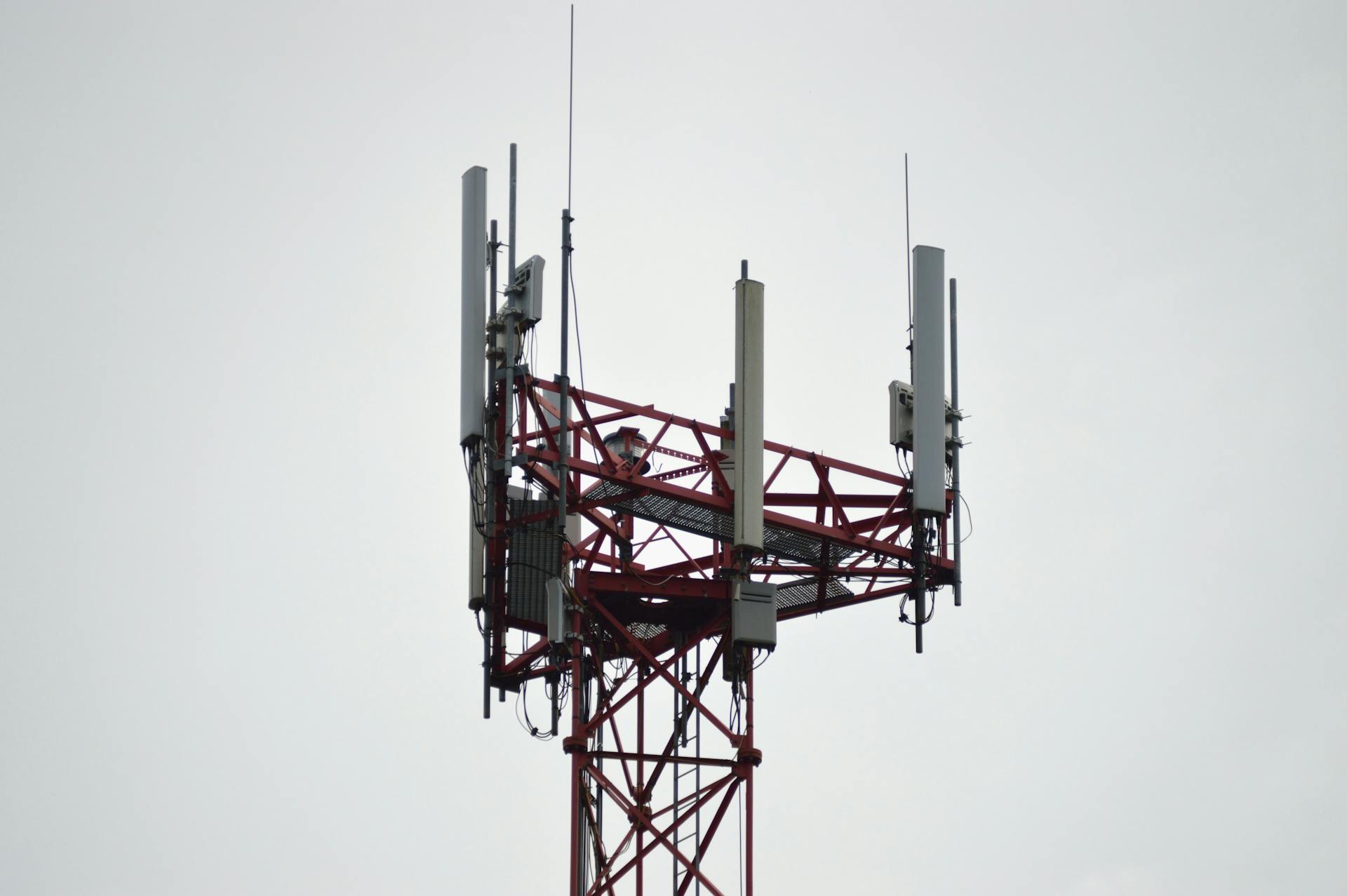
Antenne et ligne d'alimentation : Explication des principaux composants des systèmes de radiocommunication
In building reliable radio communication systems, antennas and feeder lines are two indispensable core components. Together, they undertake the critical tasks of transmitting and receiving electromagnetic waves, directly impacting communication quality, coverage range, and system stability. Engineers often focus on… Lire la suite
-
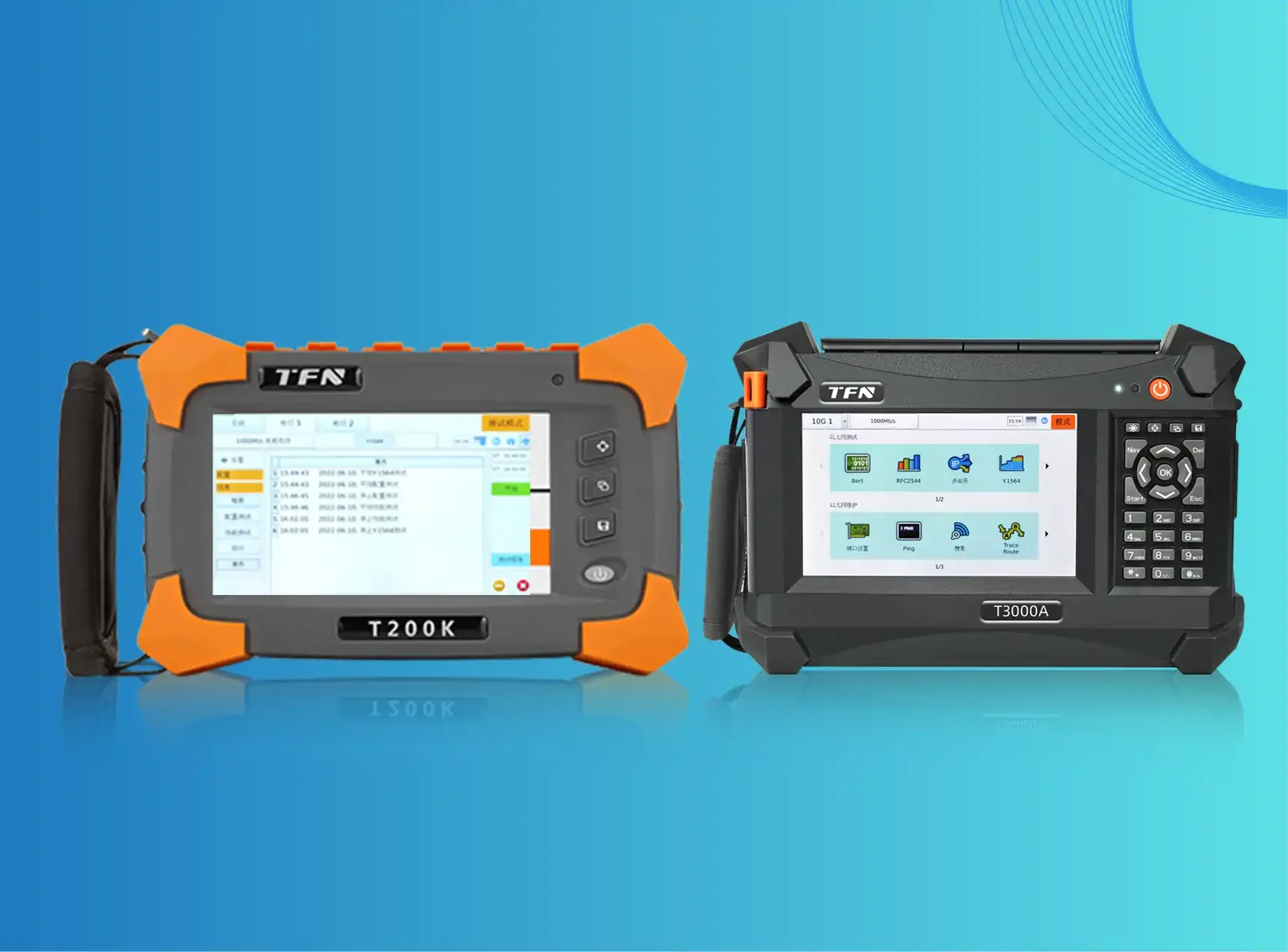
Qu'est-ce qu'un testeur Ethernet ?
An Ethernet tester is a specialized test device that generates, transmits, receives, and analyzes Ethernet traffic to validate network performance and reliability. It is widely used in: Unlike simple cable testers, professional Ethernet testers provide standardized performance benchmarks, precision timing… Lire la suite