





Blogs
-
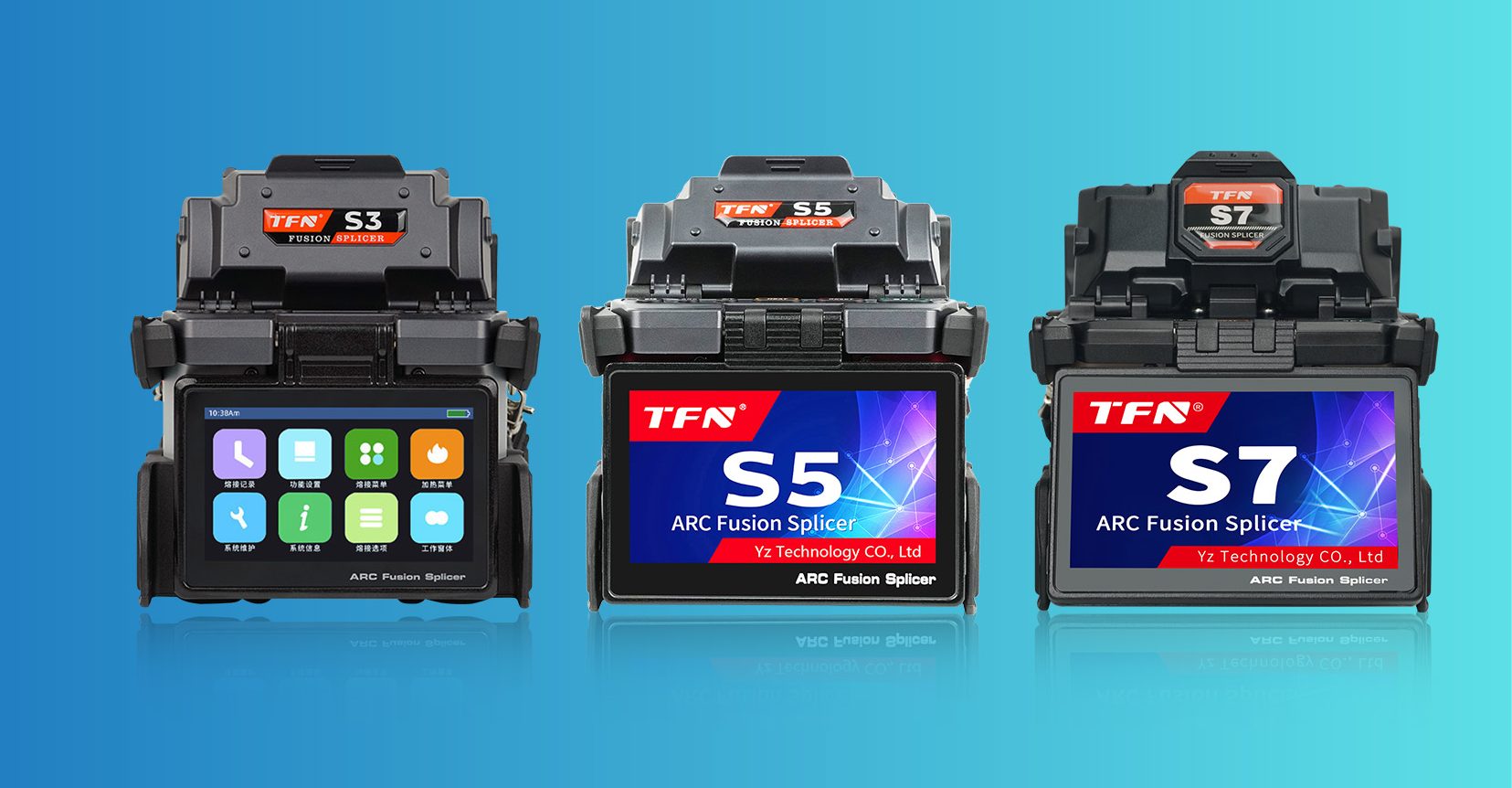
Complete Breakdown of Fiber Fusion Splicer Structure
The Fiber Fusion Splicer is a core device in optical communication engineering, and its performance directly impacts the quality and efficiency of fiber splicing. This article will provide an in-depth breakdown of the fiber fusion splicer’s construction from a research… Read More
-
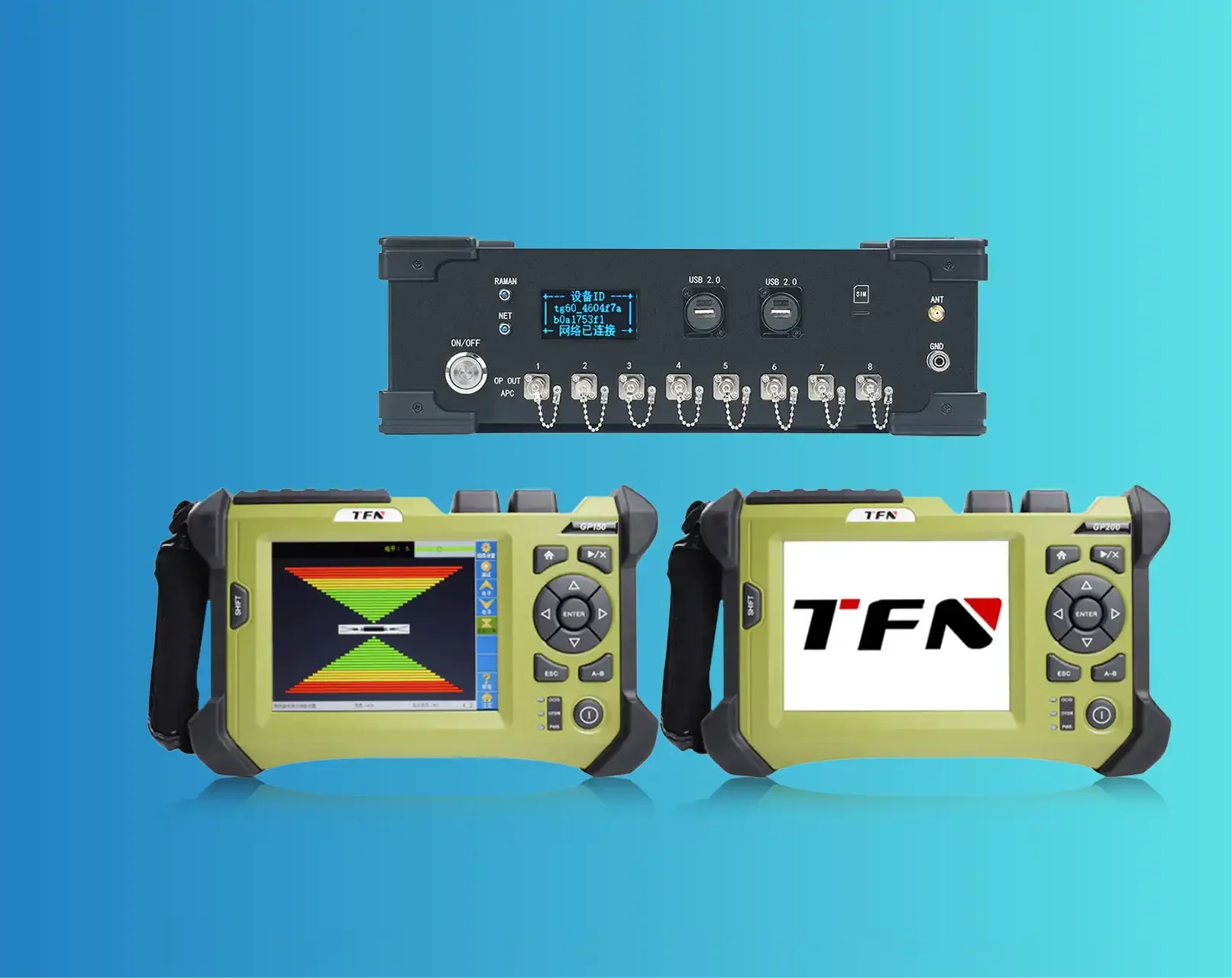
Optical Cable Identifier (OCID): A Practical Guide to Non-Destructive Fiber Identification
In optical communication projects, one task consistently causes trouble for field engineers: identifying the correct optical cable among dozens—or even hundreds—of similar-looking fibers. During construction, acceptance testing, or routine maintenance, a single wrong identification can lead to service interruption, rework,… Read More
-
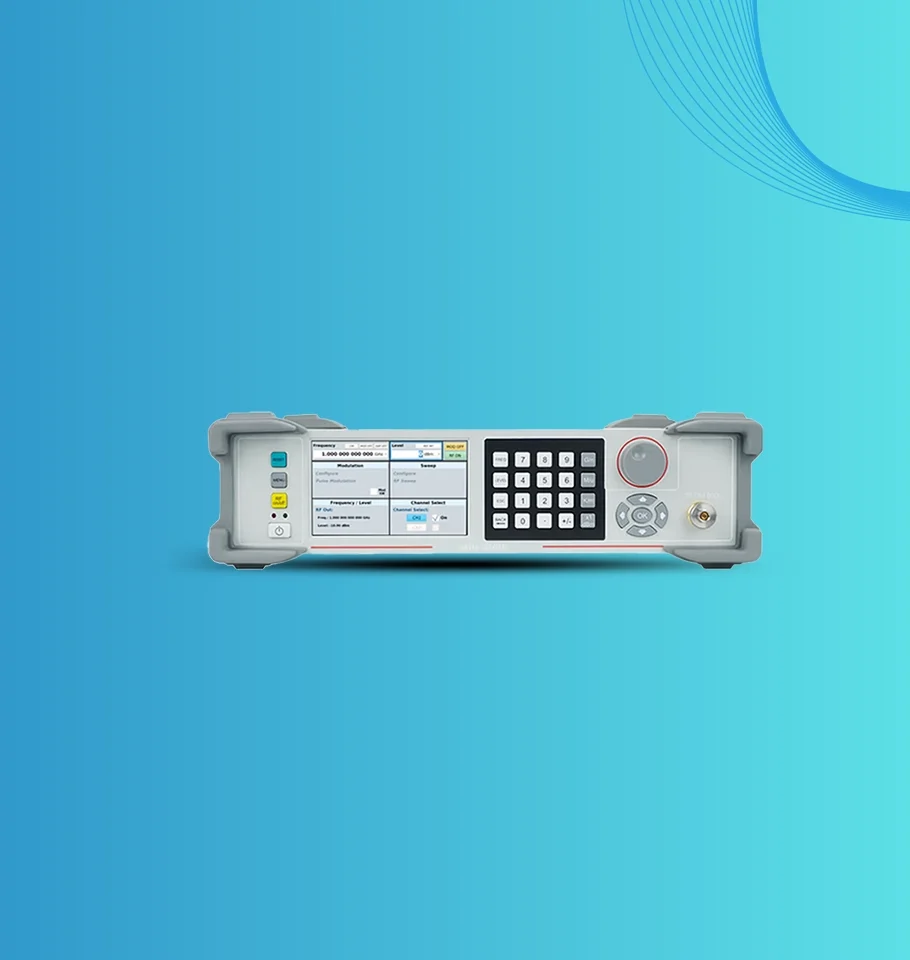
How to Choose the Right RF & Microwave Signal Generator for Your Application
In modern wireless communications, radar systems, satellite payload testing, quantum research, and RF module development, the microwave signal source—commonly referred to as a signal generator—plays a central role in system verification and performance evaluation. It provides stable, spectrally pure, and… Read More
-
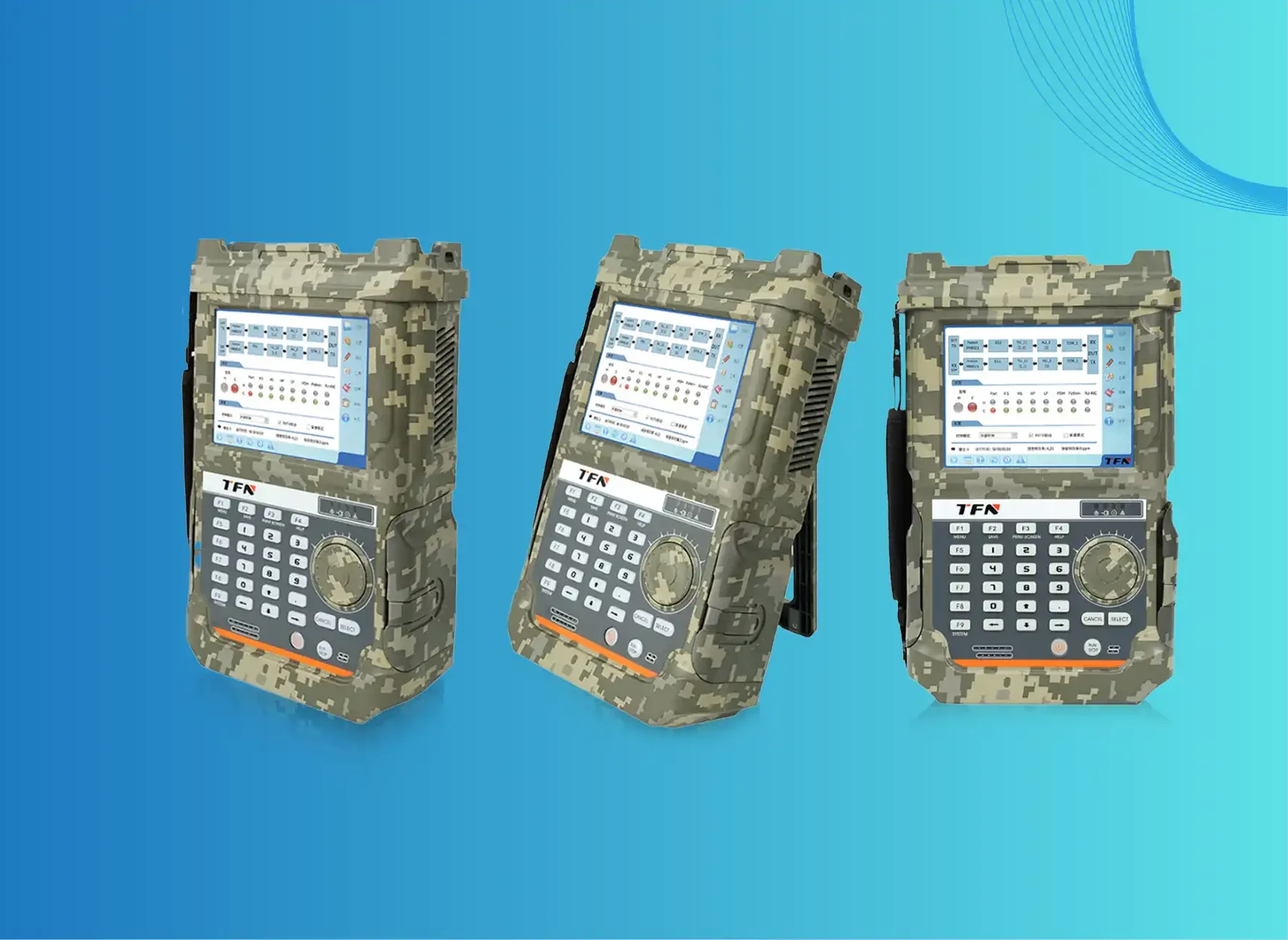
TFN T5500A: A Practical Guide to 10 Gigabit Ethernet Testing
As enterprise networks, data centers, and mobile backhaul continue to migrate toward higher bandwidth, 10 Gigabit Ethernet has become a baseline rather than a premium option. While higher speeds bring greater capacity, they also introduce new challenges in validation, service… Read More
-
In-Depth Analysis of the Deep-Seated Mechanisms and Root Causes of Bit Errors
In digital communication and data storage systems, bit errors are a fundamental challenge that every engineer must confront and resolve. They directly impact system reliability and are crucial to user experience and data security. This article, from the perspective of… Read More
-
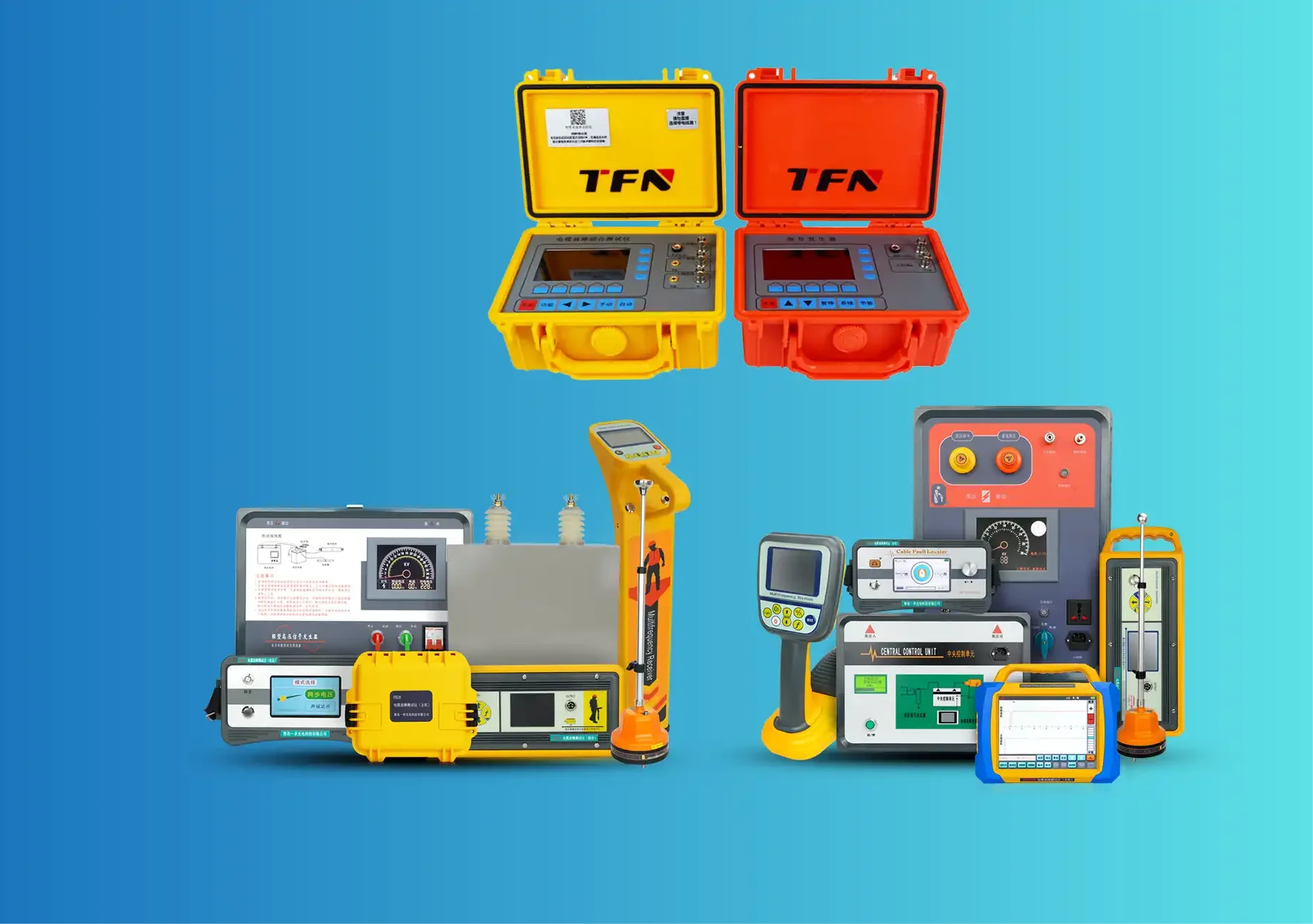
How TDR (Time Domain Reflectometry) Locates Cable Faults Accurately
Cables form the backbone of modern power transmission and communication networks. From underground power feeders to long-distance communication links, their reliability directly affects system stability and service continuity. Unfortunately, cable faults—such as open circuits, short circuits, insulation degradation, and joint… Read More
-
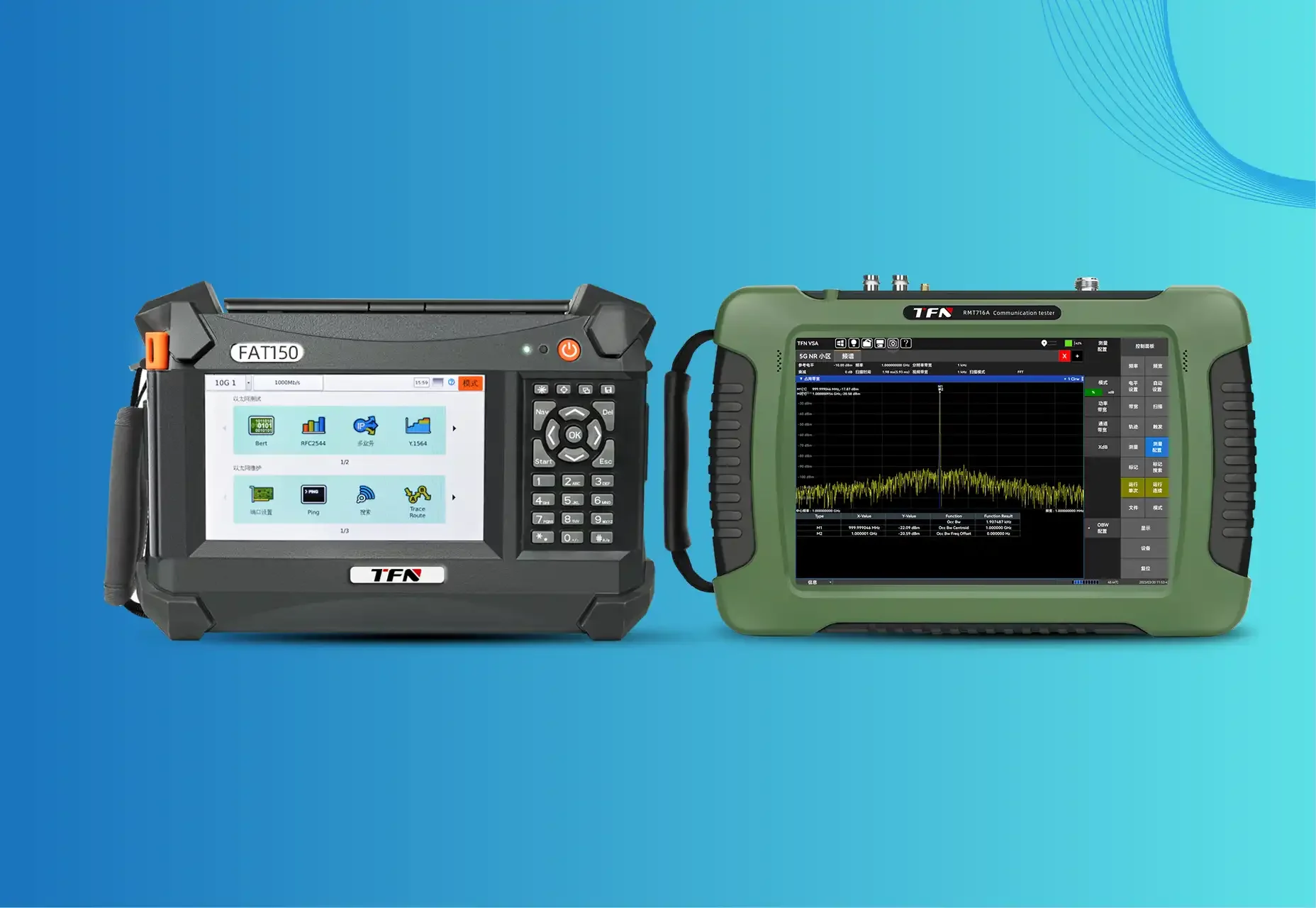
VBW vs RBW: What Is the Difference Between Video Bandwidth and Resolution Bandwidth in a Spectrum Analyzer?
When working with a spectrum analyzer, bandwidth settings directly affect how signals are displayed, interpreted, and ultimately measured. Among all bandwidth-related parameters—such as input bandwidth, IF bandwidth, real-time bandwidth (RTBW), and sweep bandwidth—Resolution Bandwidth (RBW) and Video Bandwidth (VBW) are… Read More
-
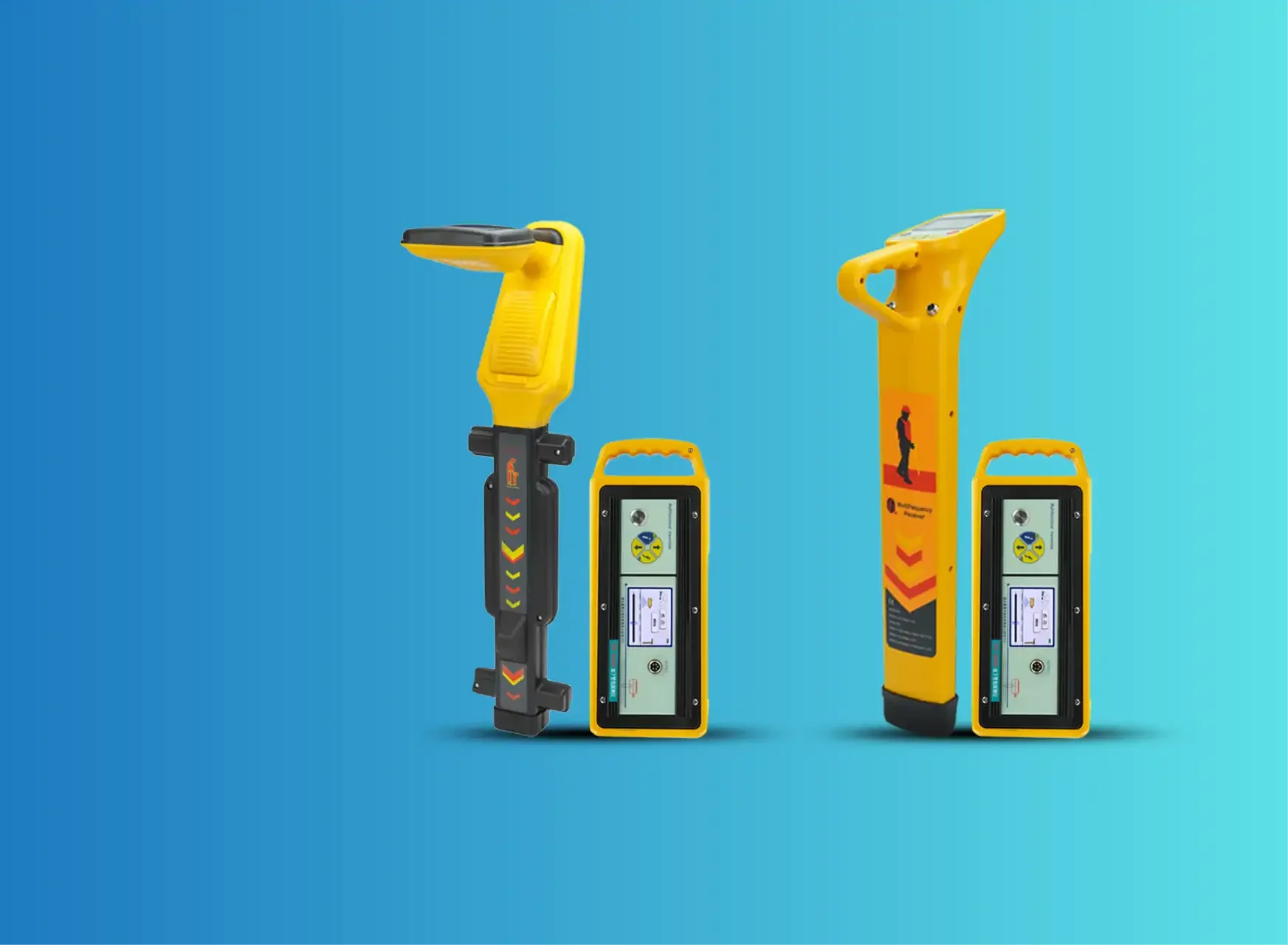
How Electromagnetic Induction Works in Underground Pipe Locators
Electromagnetic induction is the physical phenomenon in which a changing magnetic field induces an electric current in a nearby conductor. Underground pipe locators transform this fundamental principle into a controlled signal transmission and reception system for detecting buried metallic pipelines… Read More
-
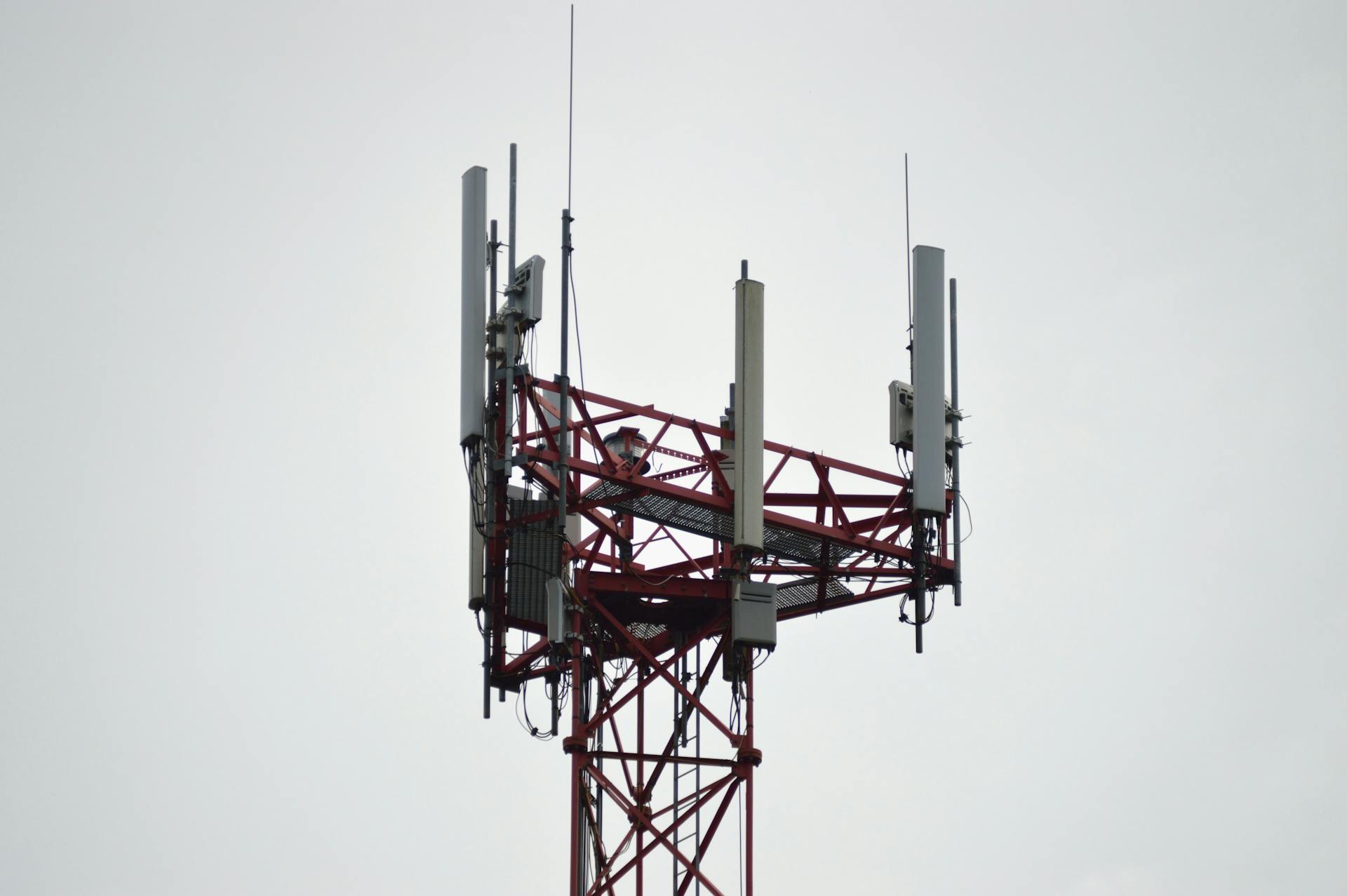
Antenna and Feeder Line: Core Components of Radio Communication Systems Explained
In building reliable radio communication systems, antennas and feeder lines are two indispensable core components. Together, they undertake the critical tasks of transmitting and receiving electromagnetic waves, directly impacting communication quality, coverage range, and system stability. Engineers often focus on… Read More
-
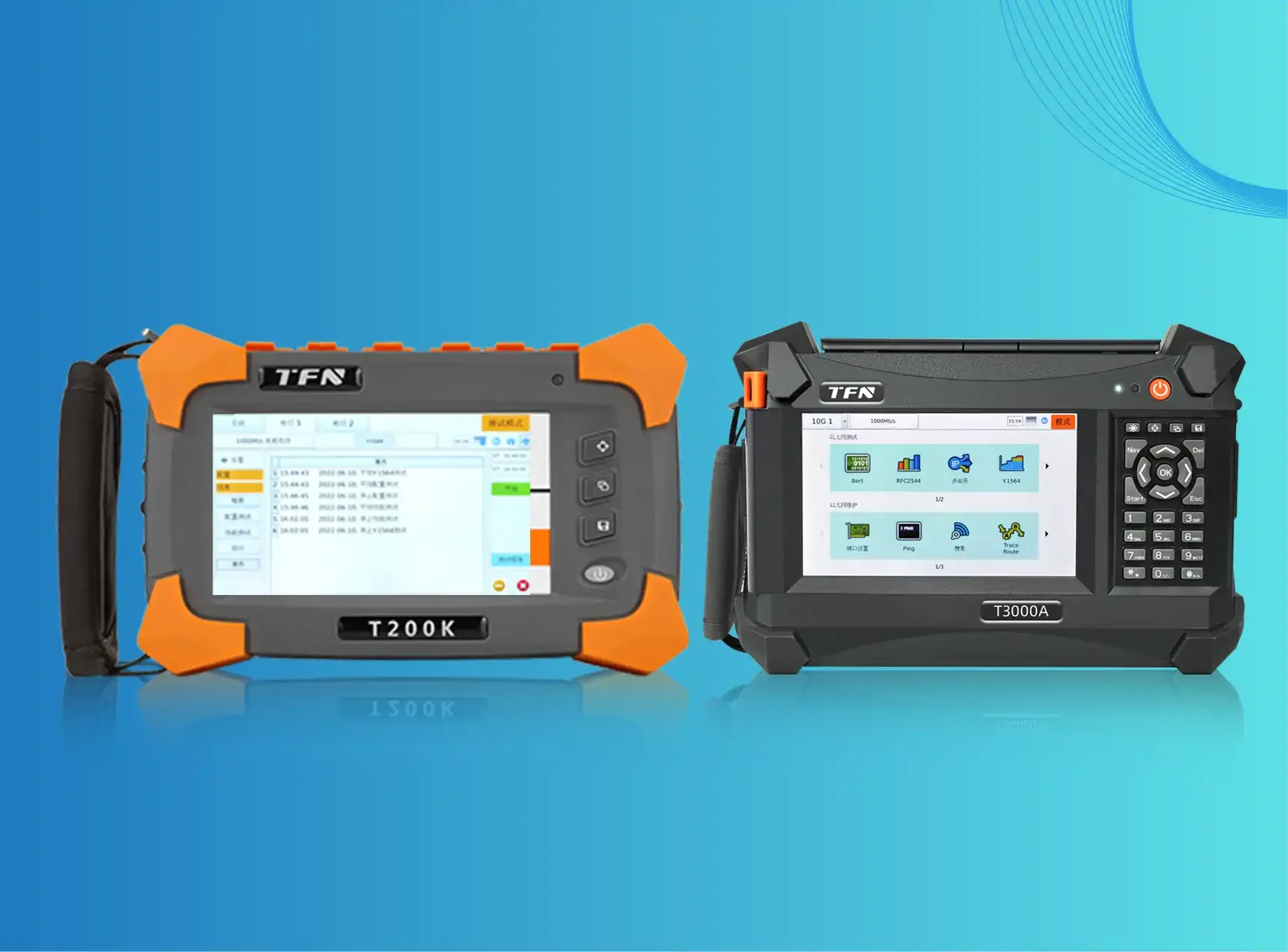
What is an Ethernet Tester?
An Ethernet tester is a specialized test device that generates, transmits, receives, and analyzes Ethernet traffic to validate network performance and reliability. It is widely used in: Unlike simple cable testers, professional Ethernet testers provide standardized performance benchmarks, precision timing… Read More