





المدونات
-

How to Choose the Right Fiber Fusion Splicer for Your Engineering Needs?
In optical communication projects, the fiber fusion splicer is a critical piece of equipment that directly affects network quality and construction efficiency. An inappropriate choice can lead to rework, project delays, or even long-term transmission issues caused by hidden fiber… قراءة المزيد
-
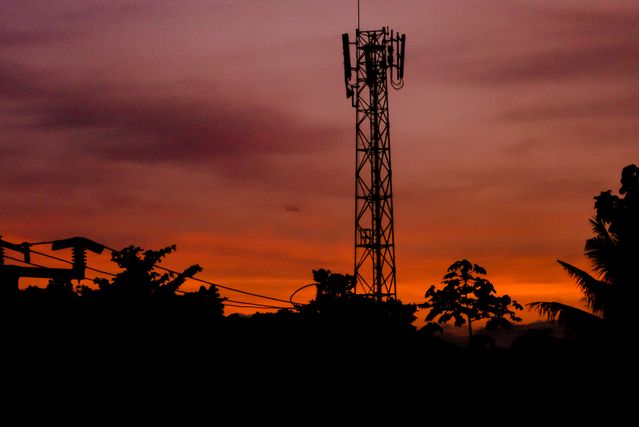
Cable and Antenna Analyzer Applications in Mobile Base Stations
In a mobile communication network, the performance of the antenna and feeder system directly affects signal coverage, transmission quality, and user experience. Even when the base station equipment is working properly, problems in the RF transmission path — such as… قراءة المزيد
-
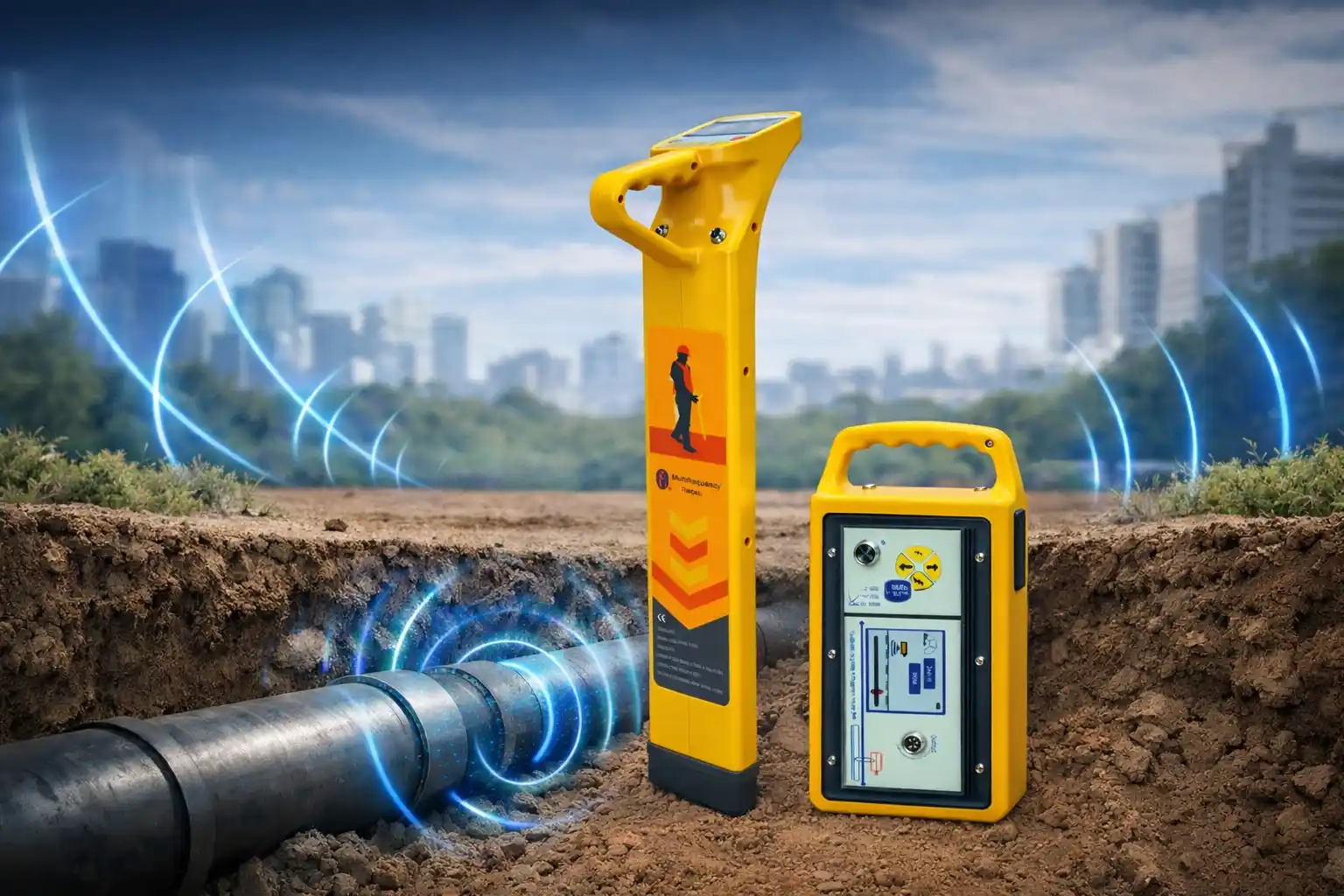
Six Key Factors to Consider When Selecting an Underground Pipeline Locator
Selecting an underground pipeline locator may seem straightforward, but the wrong choice can lead to inaccurate detection, unnecessary excavation, project delays, and increased safety risks. For contractors, utility companies, and engineering teams, the key question is not simply “Can this… قراءة المزيد
-

G.821 vs G.826 vs M.2100: Key Standards for Selecting an E1 Error Analyzer
Introduction: Why E1 Testing Standards Matter In E1 digital transmission systems, bit error performance is one of the most important indicators for evaluating link quality, network reliability, and service availability. For engineers responsible for transmission network installation, acceptance testing, and… قراءة المزيد
-

RMT Series Spectrum Analyzer for 5G NR Testing and Network Optimization
Introduction: The Role of Spectrum Analyzers in 5G Network Deployment As 5G NR networks continue to expand globally, operators and network service providers are facing increasingly complex challenges in coverage optimization, interference troubleshooting, and RF performance verification. From Sub-6 GHz… قراءة المزيد
-
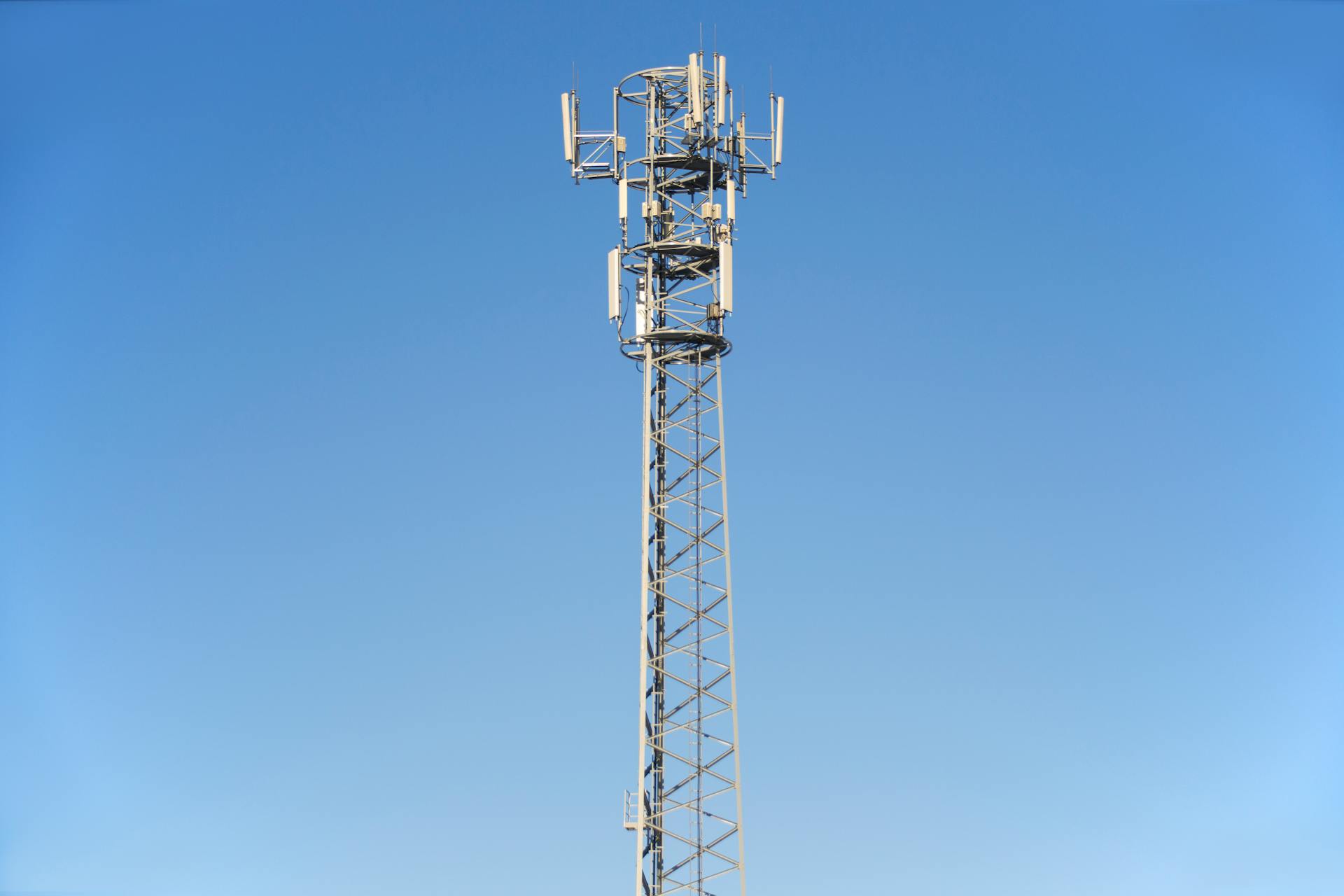
How Weather and Environmental Factors Affect Antenna Feeder Systems?
Antenna feeder systems are critical signal transmission components in mobile communication base stations, broadcast transmission sites, and private wireless networks. Installed outdoors and exposed to harsh environmental conditions for years, these systems continuously experience temperature fluctuations, moisture intrusion, salt spray… قراءة المزيد
-
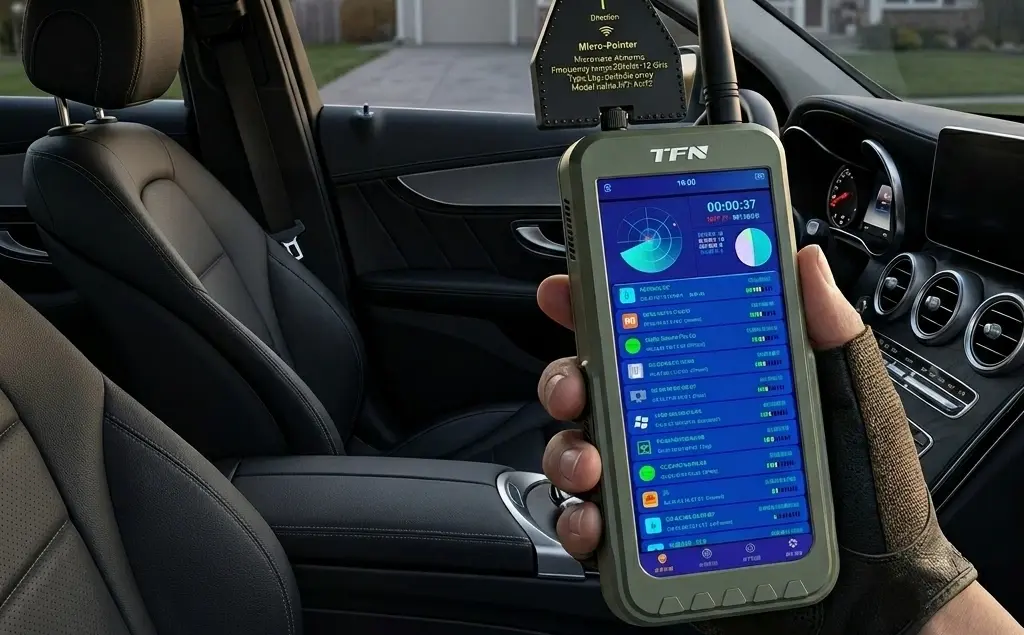
How to Detect Burst Transmitters and Cellular Spy Bugs (5G/LTE/Wi-Fi)
Wireless surveillance technology has evolved dramatically over the last decade. Modern covert listening devices are no longer limited to continuously transmitting analog RF signals. Many now use LTE, 5G, Wi-Fi, or Bluetooth modules, allowing them to remain silent for long… قراءة المزيد
-

The Ultimate TSCM Guide: How to Protect Your Boardroom from Corporate Espionage in 2026
In today’s business environment, confidential information extends far beyond digital files. Strategic planning, mergers and acquisitions, product roadmaps, contract negotiations, and executive discussions often take place behind closed doors. While organizations continue to strengthen cybersecurity, physical surveillance remains an overlooked… قراءة المزيد
-
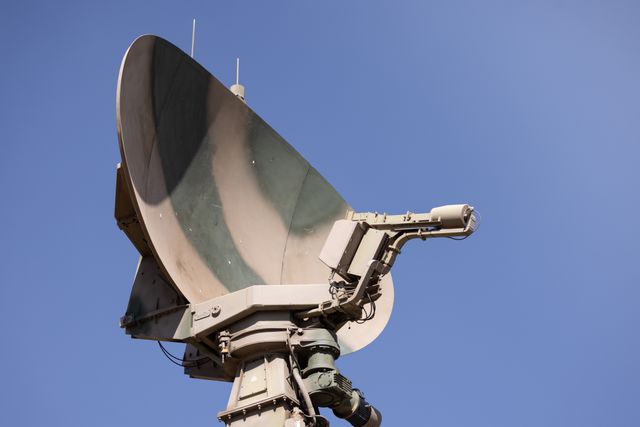
Why Spectrum Awareness Is Becoming Critical in Defense Communications
Modern defense communications rely on far more than secure radios and high-speed networks. Every wireless system—from tactical radios and private 5G to satellite communications and unmanned platforms—depends on access to one shared resource: the electromagnetic spectrum. As military communication systems… قراءة المزيد
-
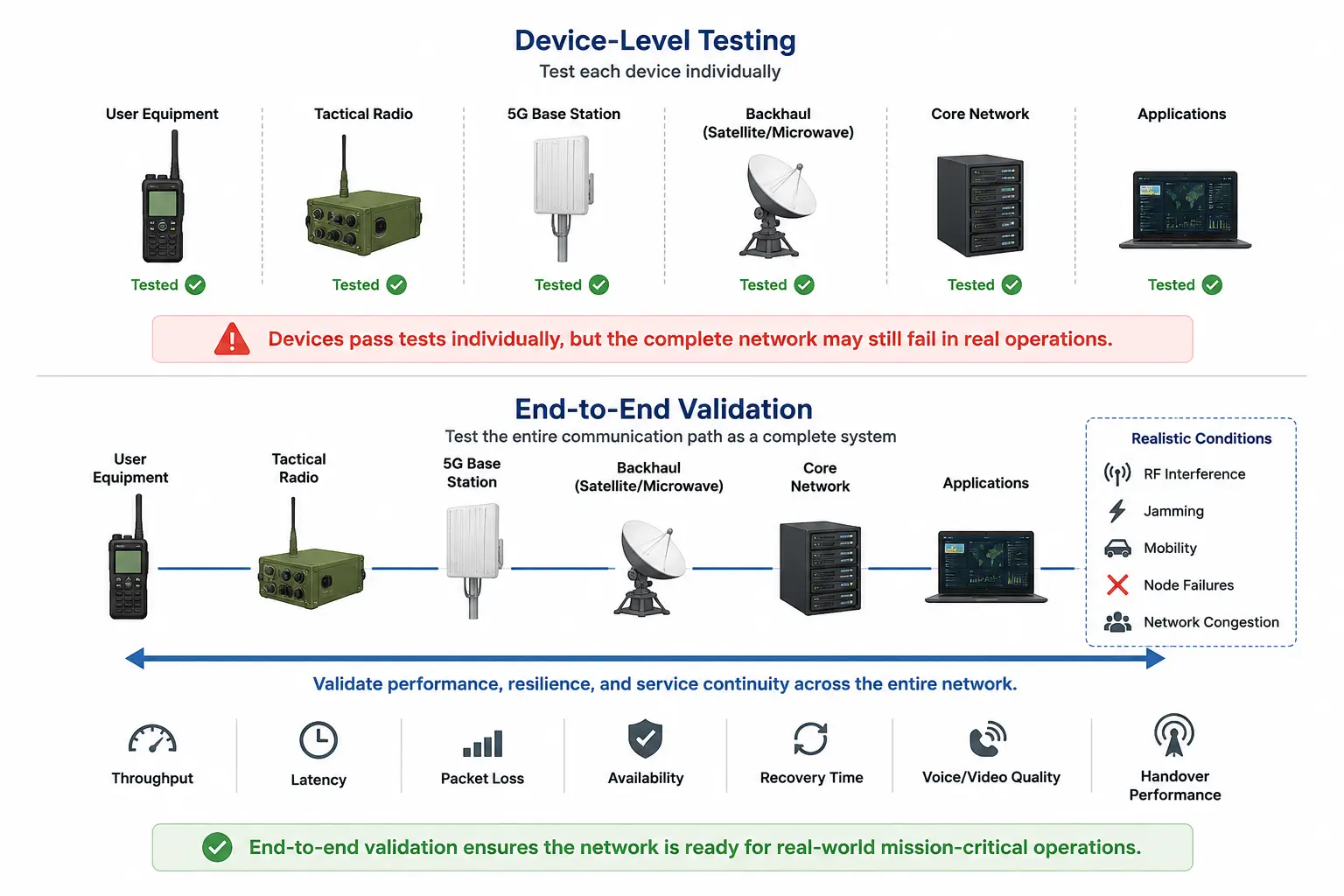
Why End-to-End Validation Matters More Than Device-Level Testing in Tactical Wireless Networks
Modern tactical wireless networks are no longer built around a single radio, base station, or communication protocol. They combine multiple technologies—including tactical radios, private 5G, satellite communications, fiber backhaul, edge computing, and IP networking—to deliver resilient communications across dynamic operational… قراءة المزيد