





Blogs
-
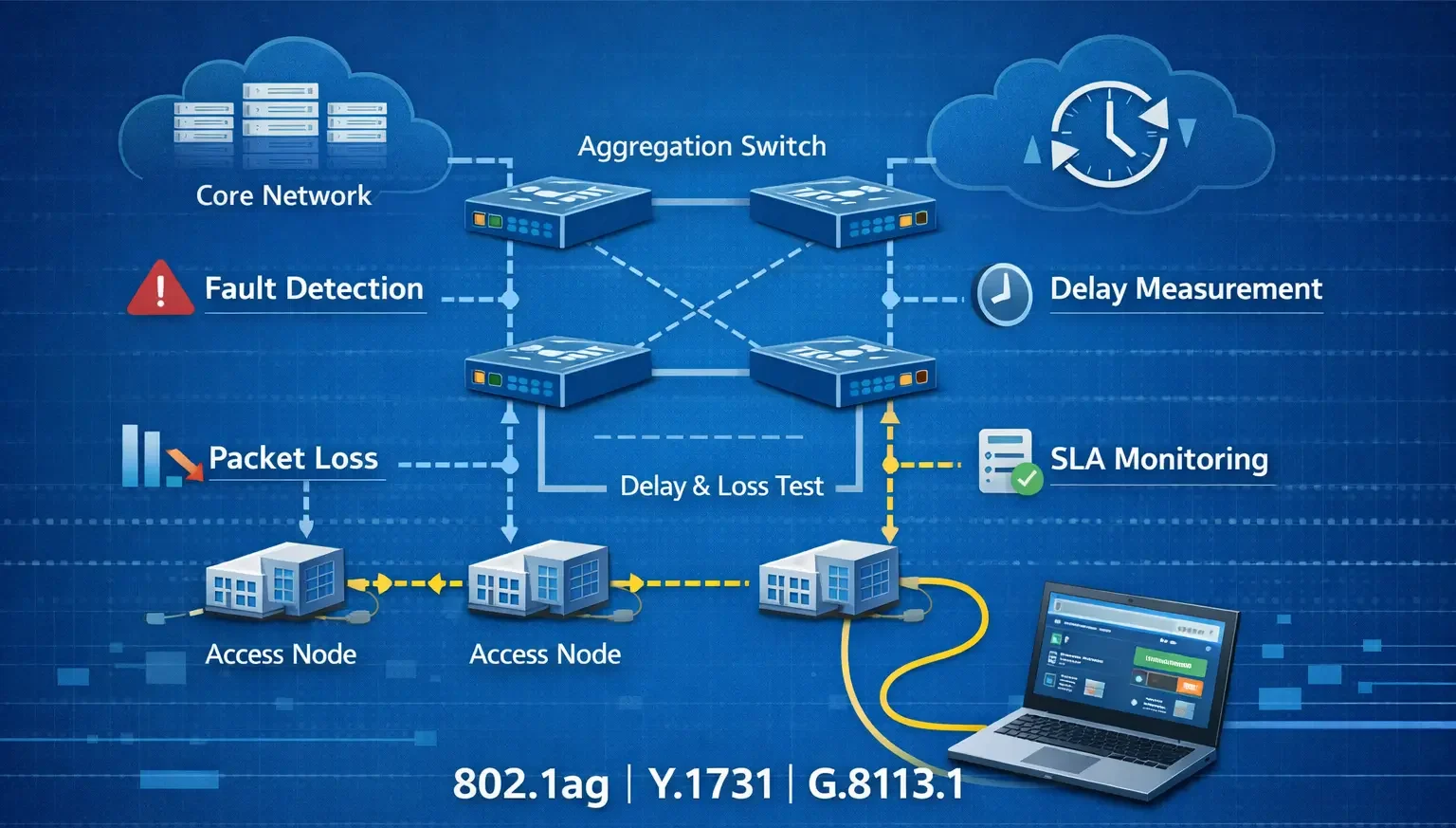
O que é Ethernet OAM? Guia completo para testes de 802.1ag, Y.1731 e G.8113.1
In modern carrier-grade Ethernet and mobile backhaul networks, the OAM (Operations, Administration and Maintenance) mechanism is the cornerstone for ensuring business continuity and rapid fault localization. Whether it’s a traditional telecom network or a new IP/MPLS/PTN architecture, the lack of… Leia mais
-
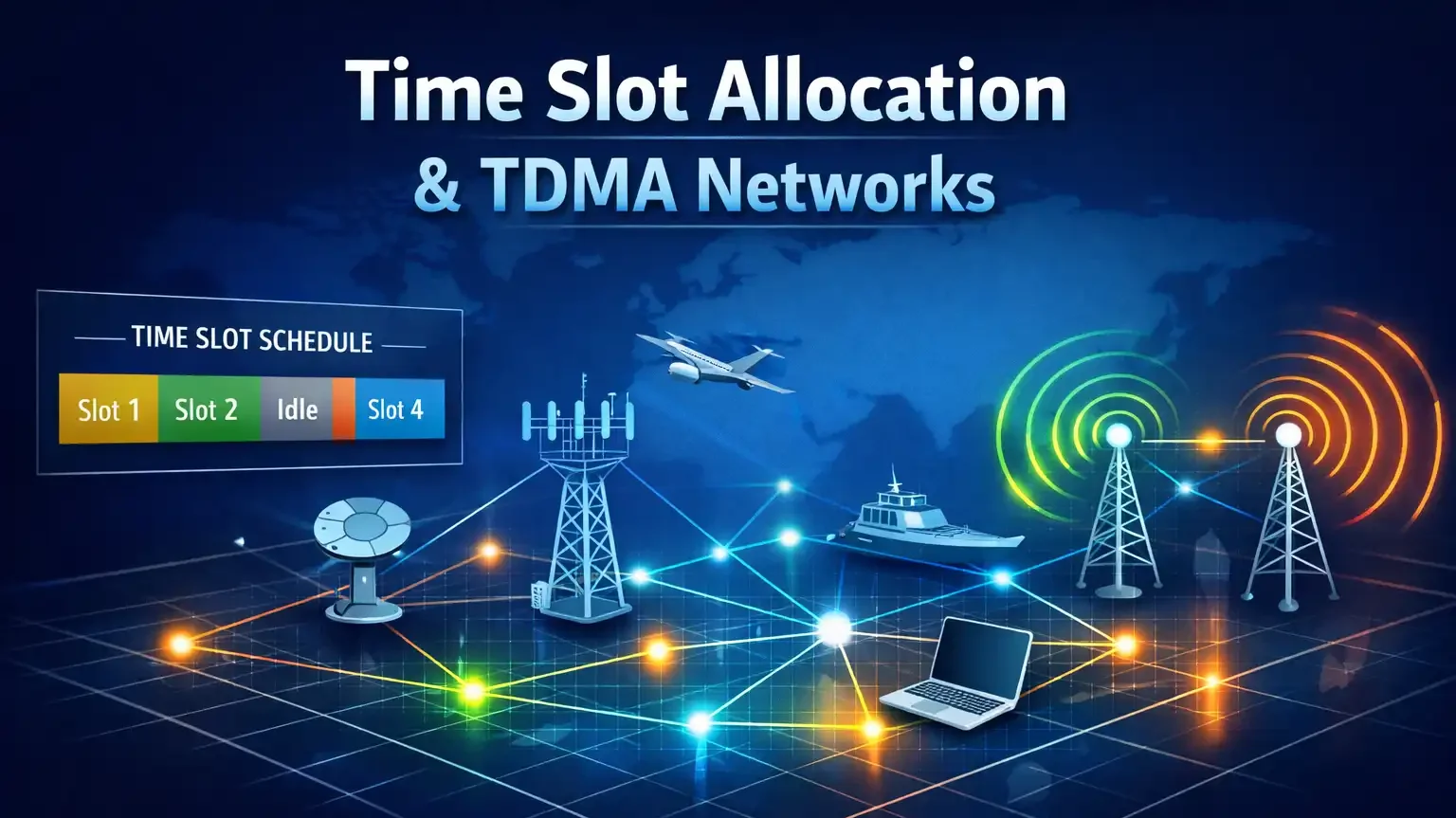
Como a alocação de slots de tempo afeta o desempenho da rede em sistemas TDMA
Why Time Slot Allocation Matters More Than Ever In modern wireless networks, spectrum is limited, but service demands continue to grow. In Time Division Multiple Access (TDMA) systems, time slots are the primary scheduling resource. How these slots are allocated… Leia mais
-
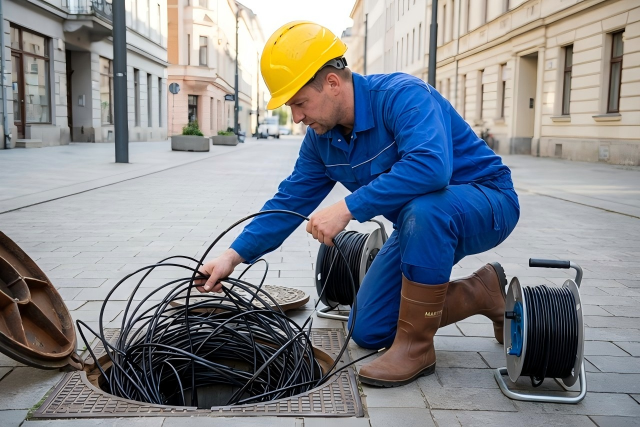
O papel do OCID na manutenção de telecomunicações: Do teste cego à detecção tátil precisa
It’s two in the morning. You receive an alert about a backbone network outage. Arriving at the manhole on the outskirts, you lift the cover—six black loose tubes, forty eight fiber cores, the labels long since fallen off. You know the… Leia mais
-
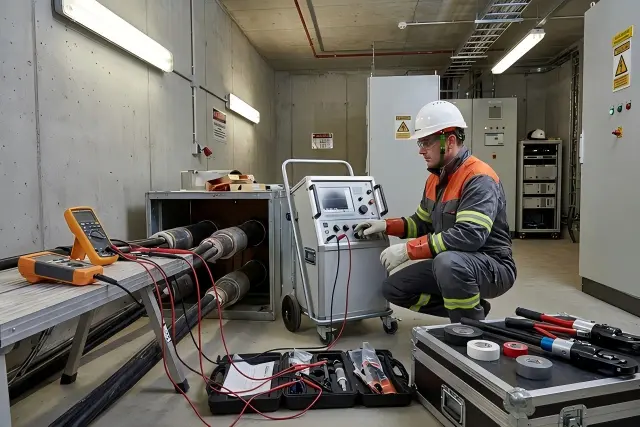
Método Flashover de alta tensão vs. Método de pulso de baixa tensão
As an engineer involved in the development of the TFN FB18 Cable Fault Tester Distance Measuring Host, I am well aware that Time Domain Reflectometry (TDR) serves as the core technical foundation for pre-locating power cable faults. However, in practical… Leia mais
-
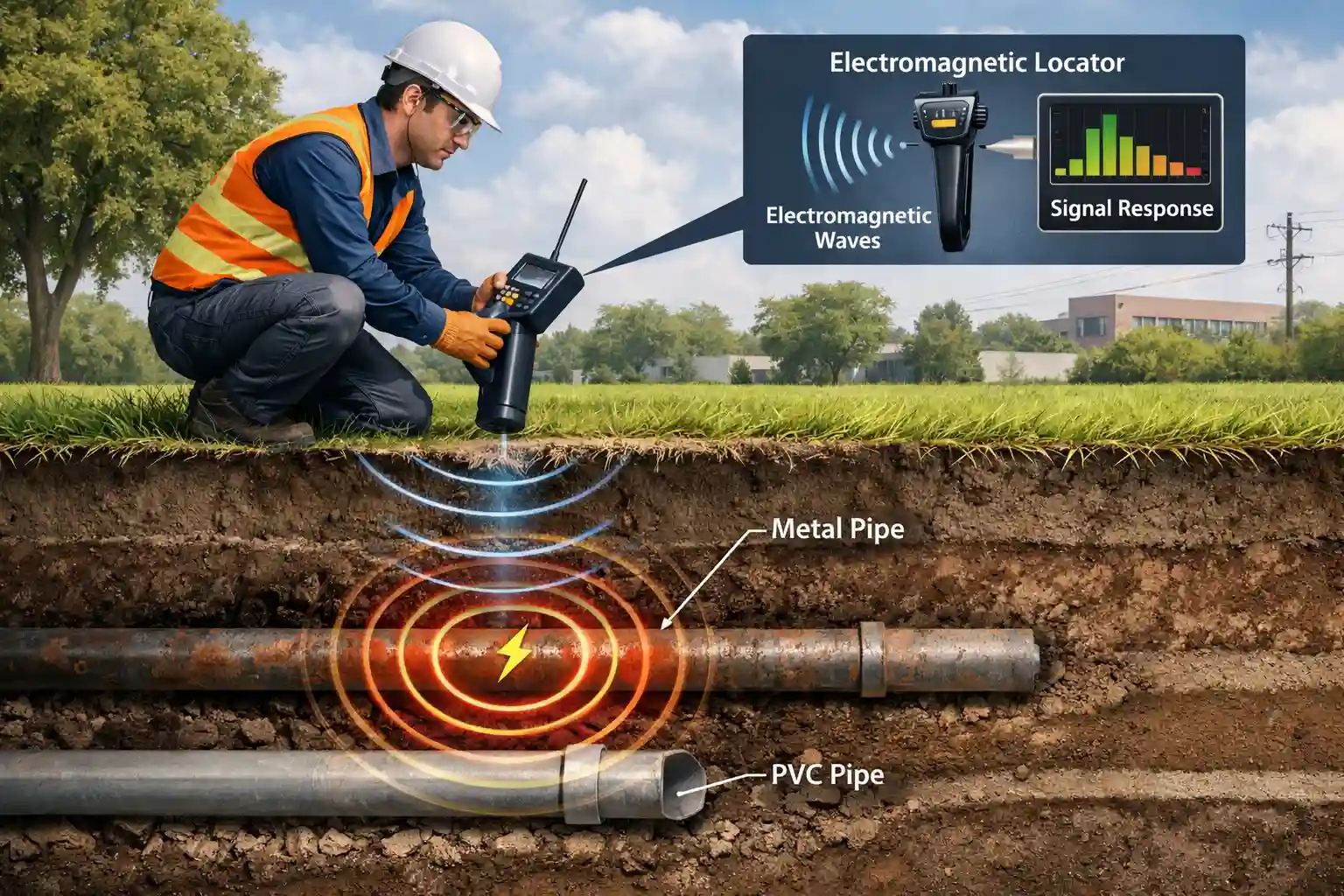
Como detectar tubulações metálicas subterrâneas usando ondas eletromagnéticas?
As a research and development engineer long engaged in non-destructive testing equipment, I am often asked: “How can we accurately ‘see’ buried metal pipes without excavation?” The core of the answer lies in a deep understanding and precise application of… Leia mais
-
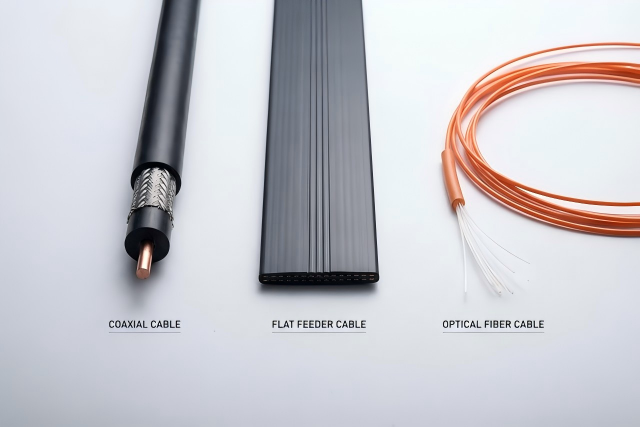
Comparação global de tecnologias de cabos alimentadores de comunicação: Cabo Coaxial, Flat Feeder e Cabo de Fibra Óptica
In the design and deployment of global communication networks, the selection of feeder cables is a core decision that directly impacts signal integrity, system cost, and long-term operational efficiency. For communication operators, regional differences in technical standards complicate this choice.… Leia mais
-

Guia completo dos tipos de conectores de fibra óptica: FC, SC, LC
As fiber optic technicians and network installers, selecting the right connector is critical for ensuring optimal signal integrity, minimizing loss, and maintaining network reliability. Connectors are the interface point between fibers and active equipment or patch panels, and choosing incorrectly… Leia mais
-
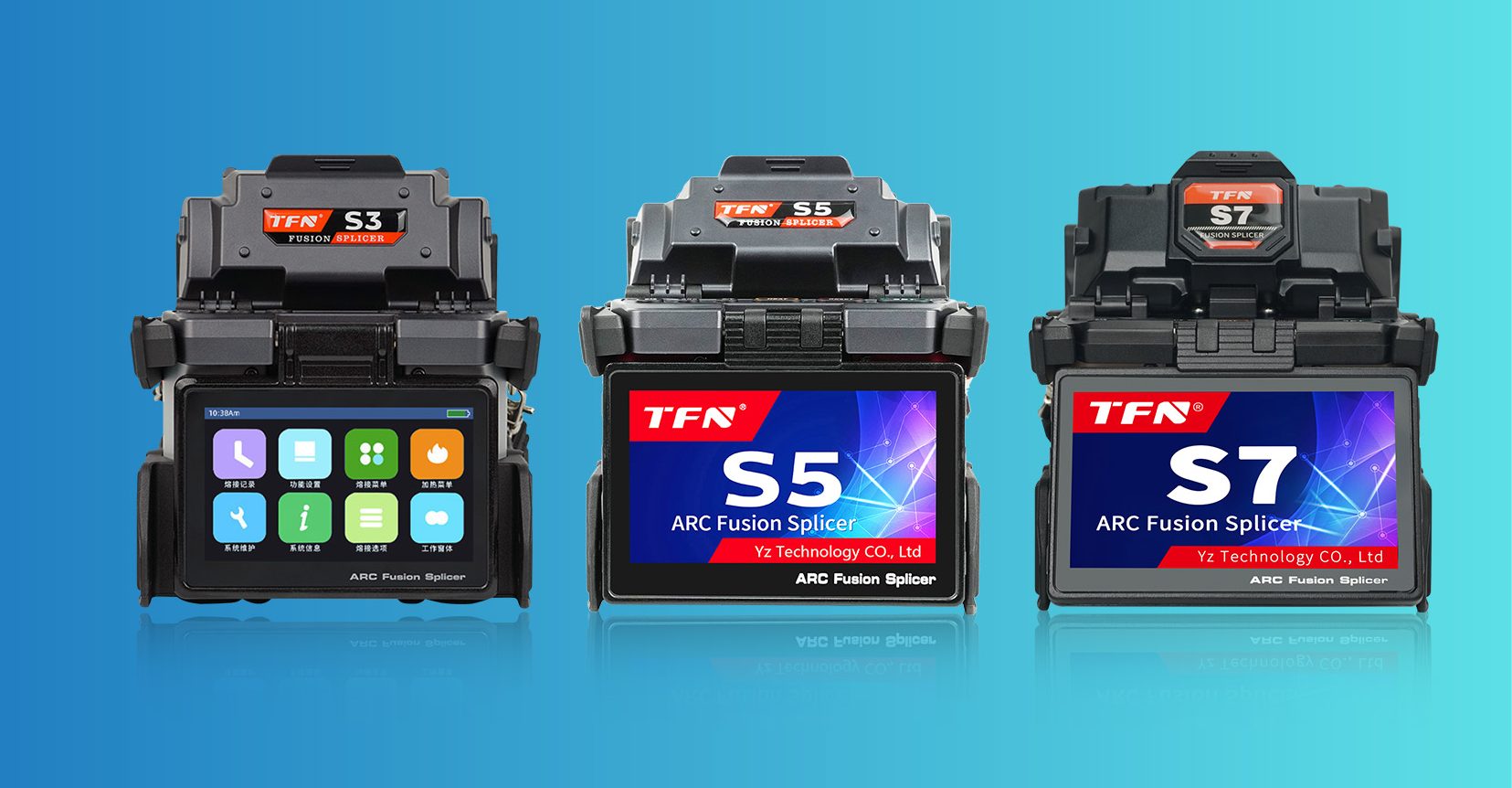
Vantagens de desempenho da máquina de fusão de fibra TFN: Alta eficiência e baixa perda
In fiber optic network deployment and maintenance, the performance of the splicing process directly impacts the transmission quality and long-term stability of the entire network. Facing scenarios like long-haul trunk lines, 5G backbone networks, and complex field environments, network engineers… Leia mais
-
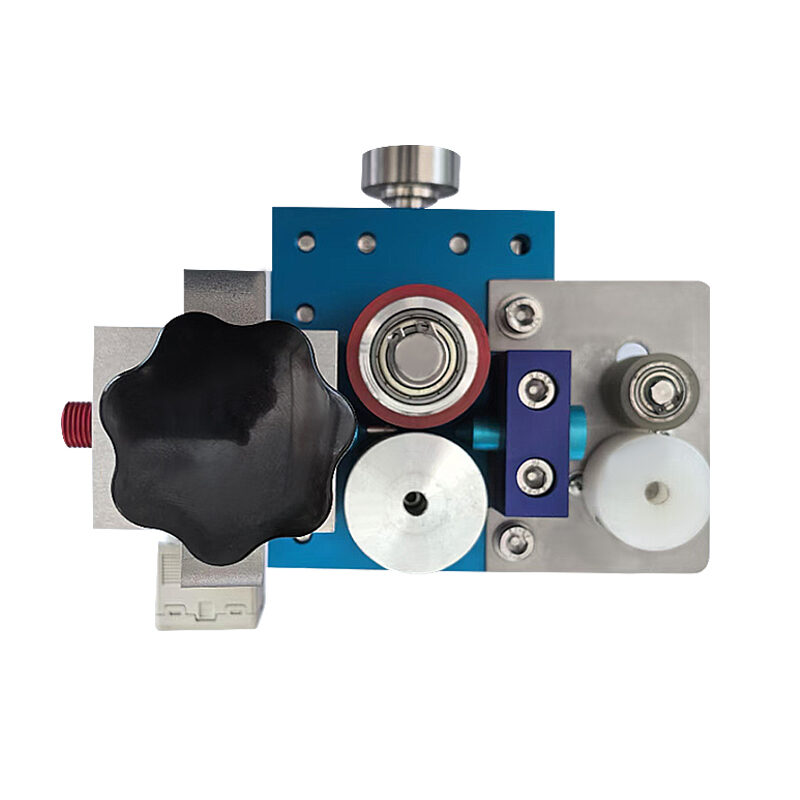
Soprador de cabos T200D: Tecnologia avançada para micro cabos
In the process of fiber optic network deployment and upgrades, traditional cable installation methods often fall short when faced with narrow ducts, complex building structures, or high-density wiring scenarios. Particularly in recent years, with the rapid development of FTTH (Fiber… Leia mais
-
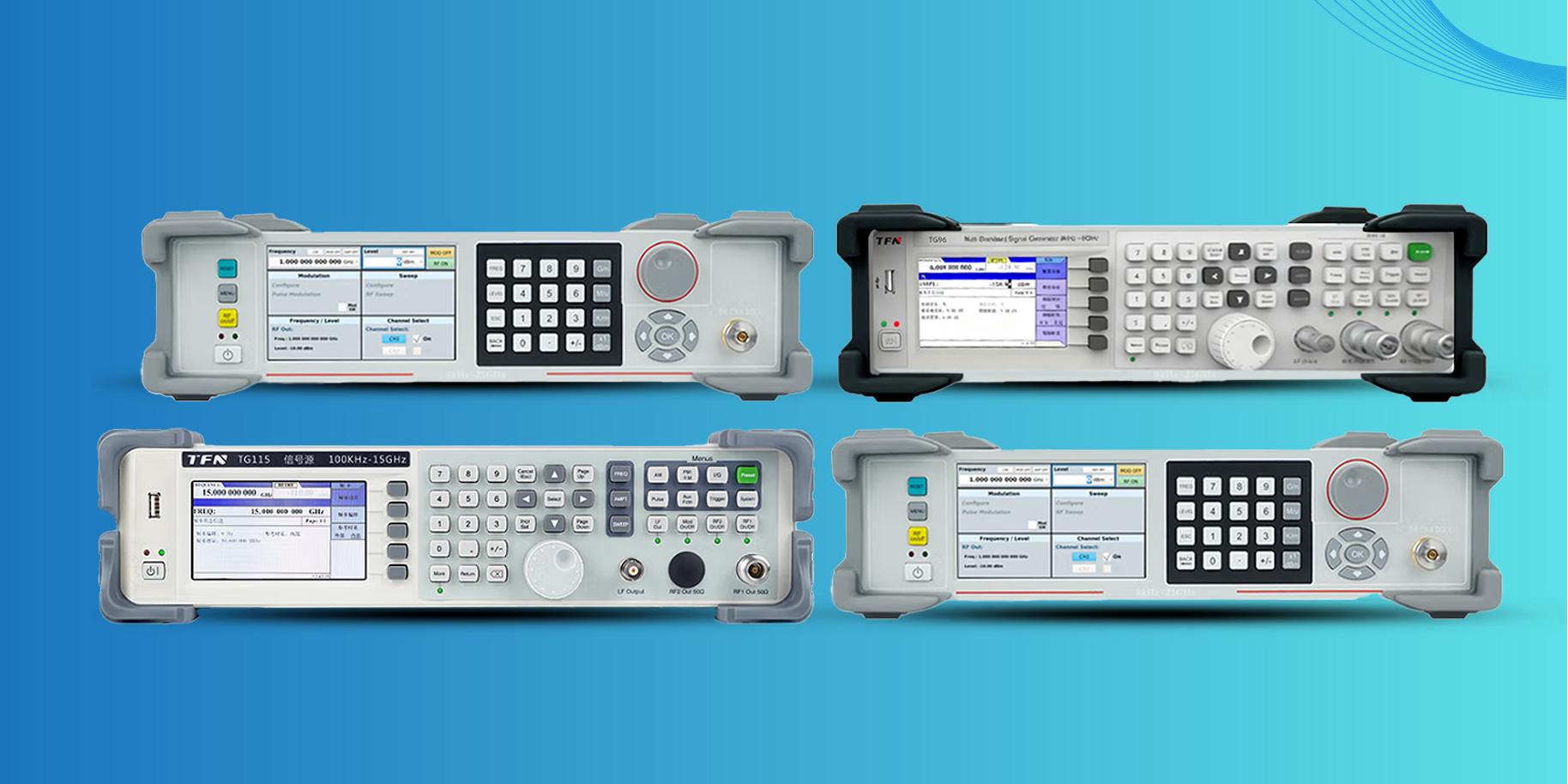
Aplicativo para teste de varredura de frequência com geradores de sinal de RF
In wireless communications, radar systems, satellite links, and various RF component testing, frequency sweep testing is a fundamental and critical measurement method. By continuously or stepwise changing the output frequency, it helps engineers quickly evaluate a device’s response characteristics across… Leia mais