





Blogs
-
Farewell to Cutting and Freezing: OCID Non-Destructive Optical Cable Identification Solution
In the field of communication infrastructure maintenance, the accuracy of optical cable identification directly impacts the continuity of network services and the efficiency of operations. Traditional identification methods rely on destructive techniques such as cutting, bending, or freezing, which not… Read More
-
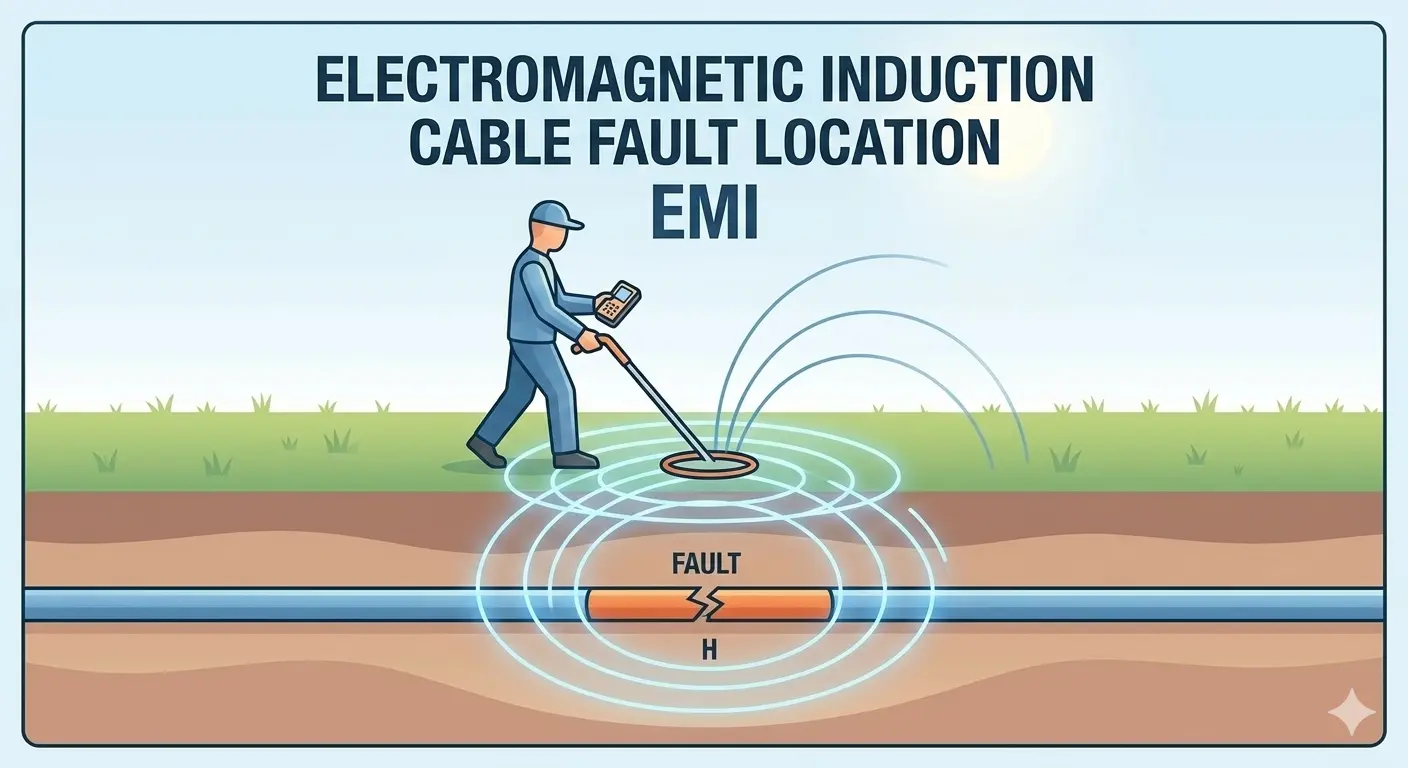
How to Precisely Locate Faults? Electromagnetic Induction in Cable Fault Testing
In the maintenance of communication and power infrastructure, the cable fault tester serves as a core tool for ensuring line stability. With the increasing complexity of distribution networks, especially the widespread application of medium and low-voltage cables below 35KV, rapidly… Read More
-
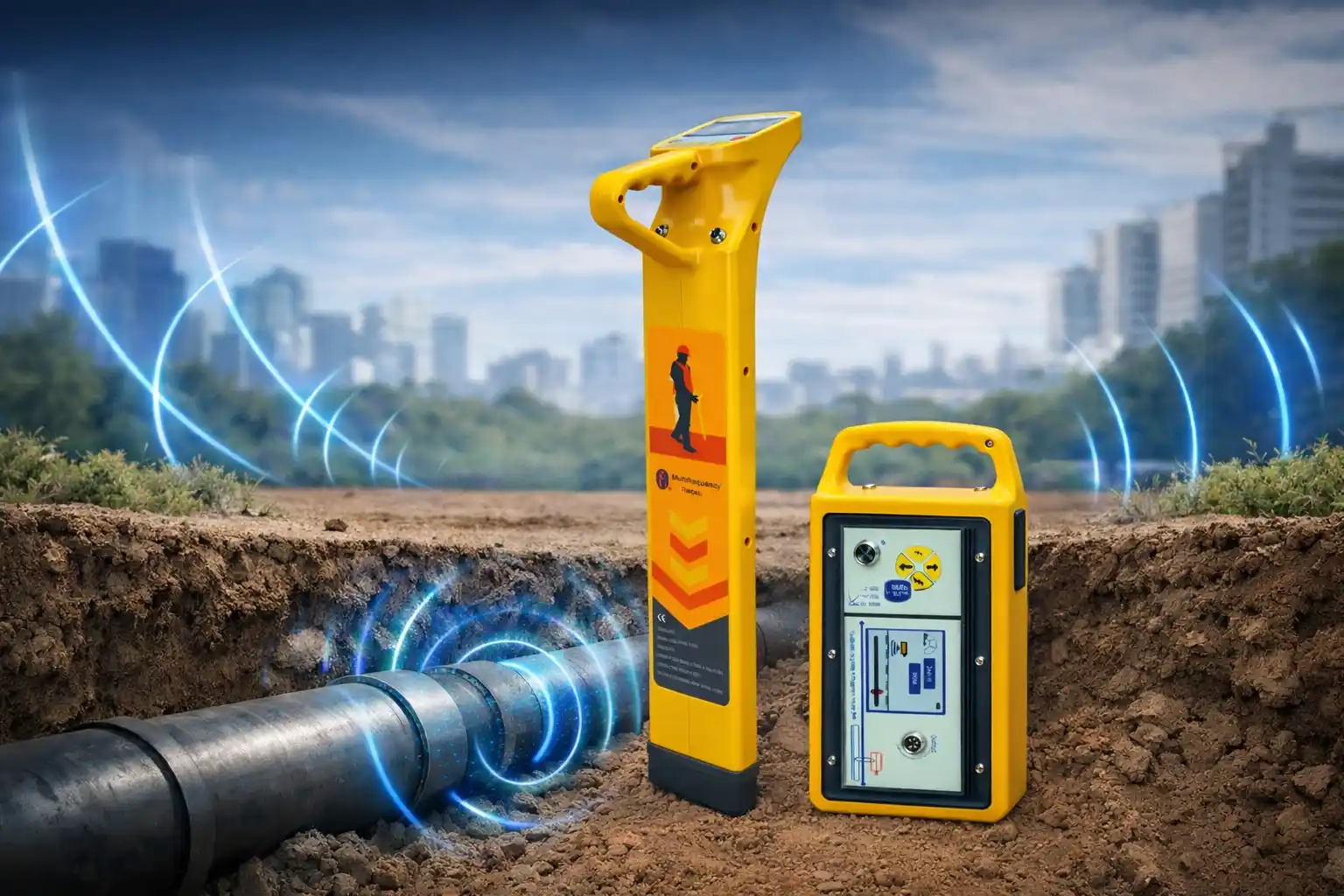
Precision Below the Surface: Signal Transmission and Reception in Underground Pipe Locators
In the field of urban infrastructure construction and maintenance, the accuracy of underground pipeline detection directly impacts project safety and construction efficiency. As a communication engineer with extensive field experience, I understand that the technical core of any advanced underground… Read More
-
Analysis of Antenna Classification: From Omnidirectional to Microwave Antennas
As a communications engineer who spends countless days in the field holding a spectrum analyzer, my feelings towards the word “antenna” are quite complex. It serves as our tactile sensor to perceive the wireless world, yet it is often the… Read More
-
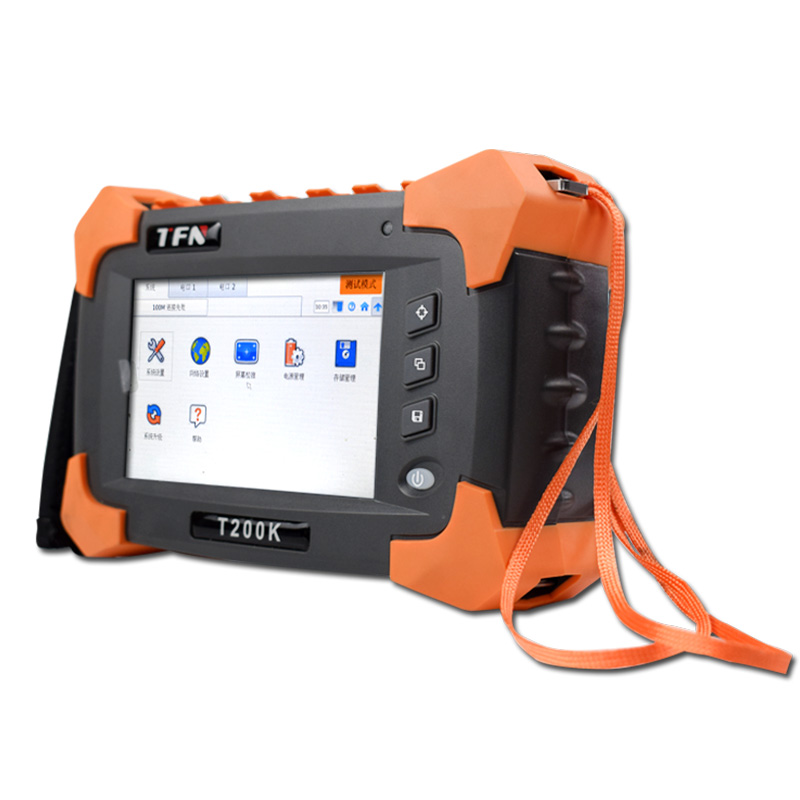
TFN T2000 vs T6300A: Which One Suits You Better?
As an engineer who has been deeply involved in network test instrument R&D for years, I am often asked by our distributors and frontline maintenance personnel the same question: “Should I choose the portable T200K or the fully-featured T6300A?” This… Read More
-
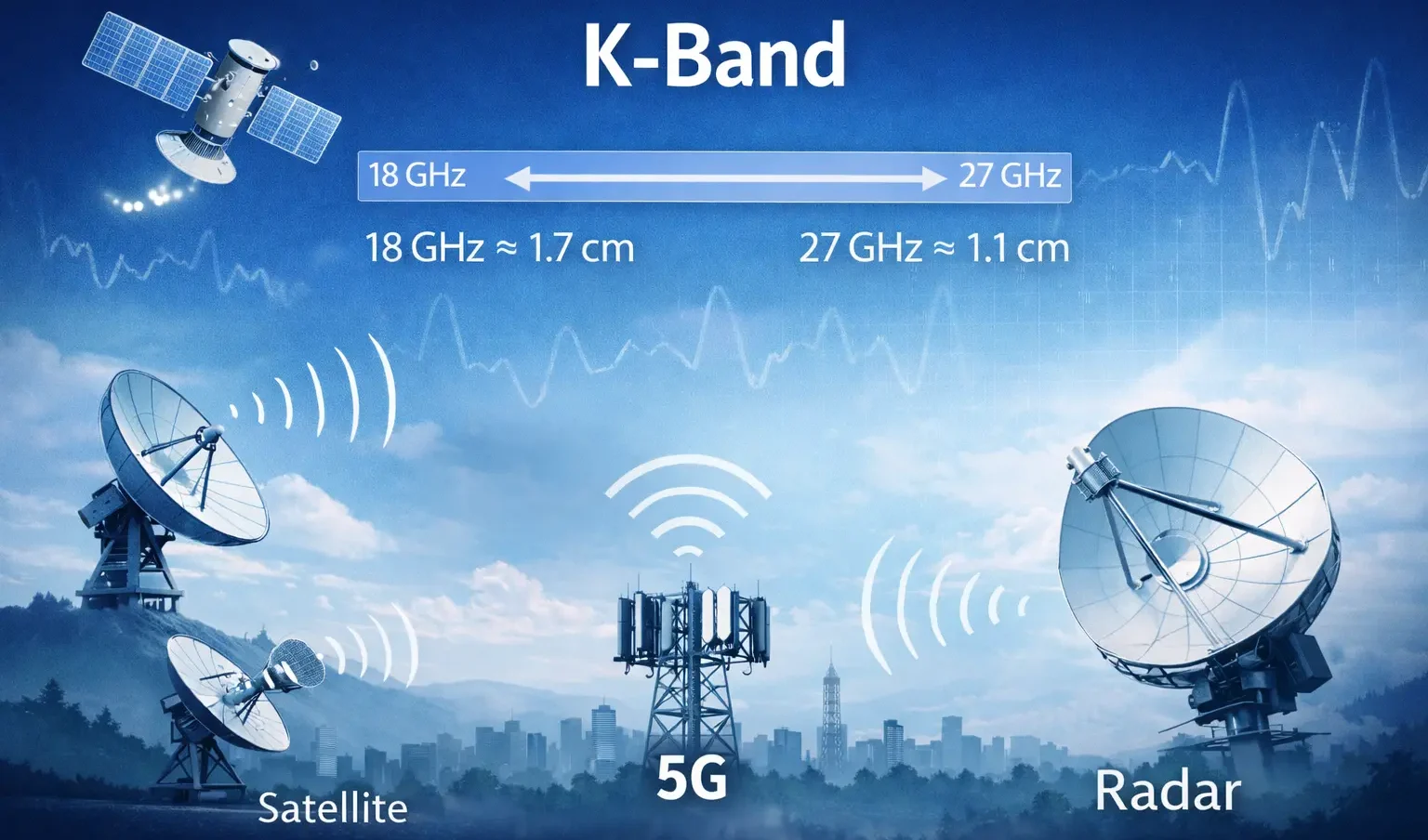
K-Band Frequency Measurement: Challenges and Testing Solutions
In radio frequency testing, the K-band (18–26.5 GHz) plays a critical role in satellite communications, radar systems, 5G backhaul, and point-to-point microwave links. Its high frequency and short wavelength enable large bandwidth and compact antenna designs, but they also introduce… Read More
-
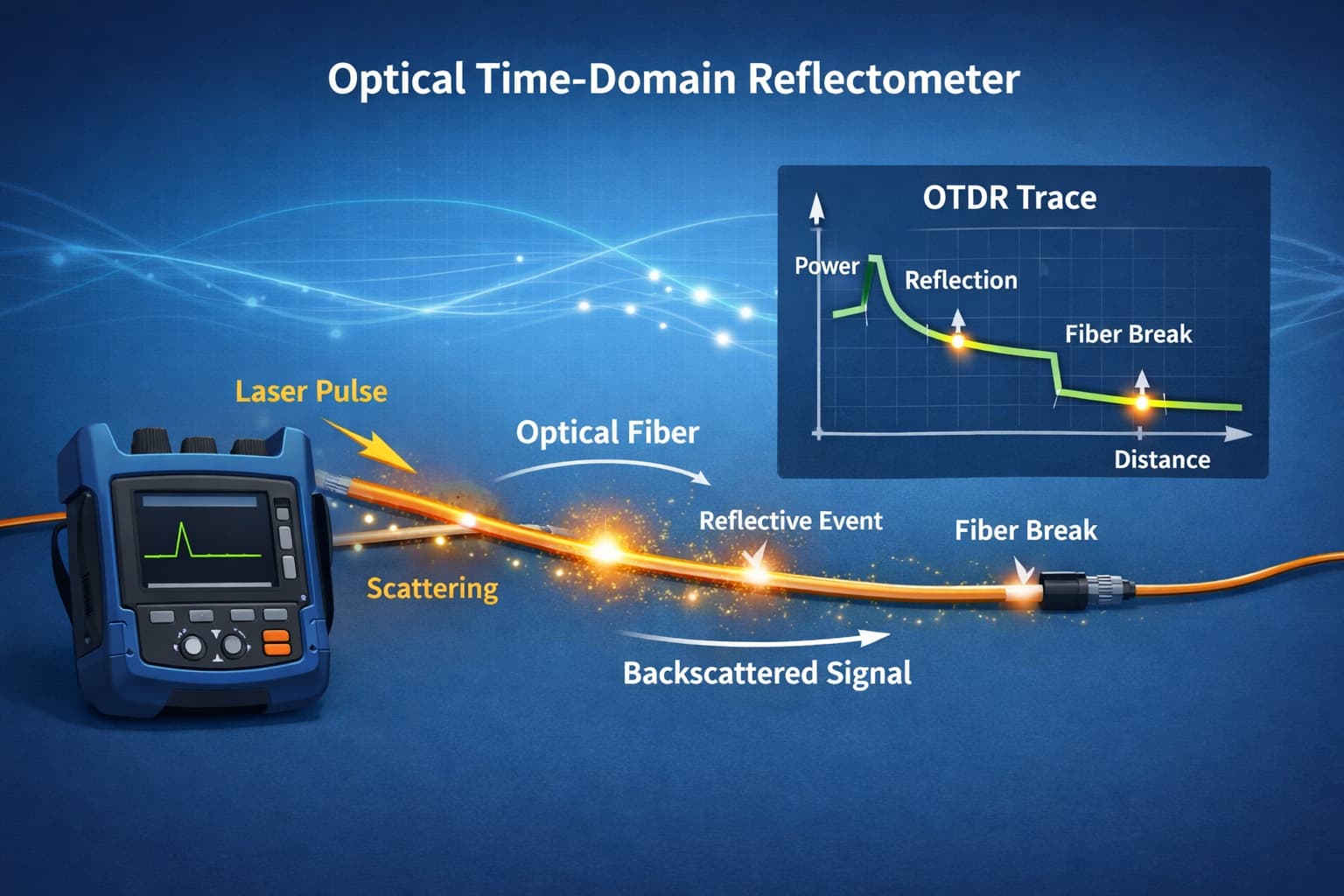
What’s the Working Principle of OTDR?
Introduction: The Core Role of OTDR in Fiber Testing As an engineer who has long been engaged in the research and development of optical communication test instruments, I am often asked: How exactly does an OTDR fiber tester work? Why… Read More
-

TFN Fiber Splicing Guide: From Preparation to Splicing Full Process
As a technician who has been engaged in fiber optic communication engineering for a long time, I have handled dozens of splicing equipment of different brands and models. In practical engineering applications, whether it is the construction of provincial trunk… Read More
-
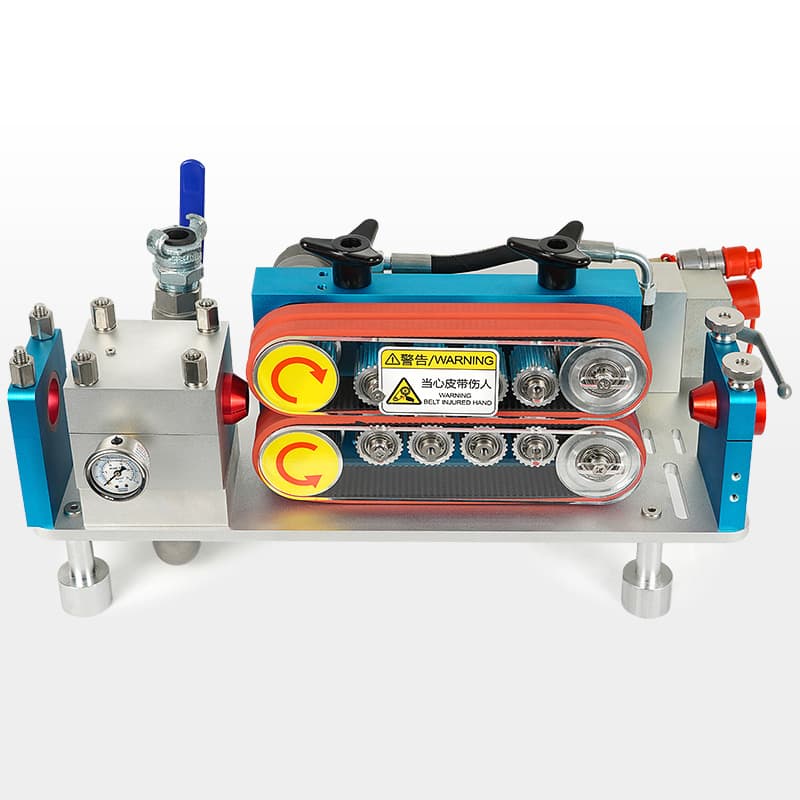
Hydraulic Cable Blowing Machine: High-Efficiency Construction Equipment
In contemporary telecommunications and power infrastructure construction, the efficiency of duct and cable installation directly determines project timelines and costs. Traditional manual pulling methods are not only labor-intensive but also prone to causing tensile damage to cables, leading to signal… Read More
-
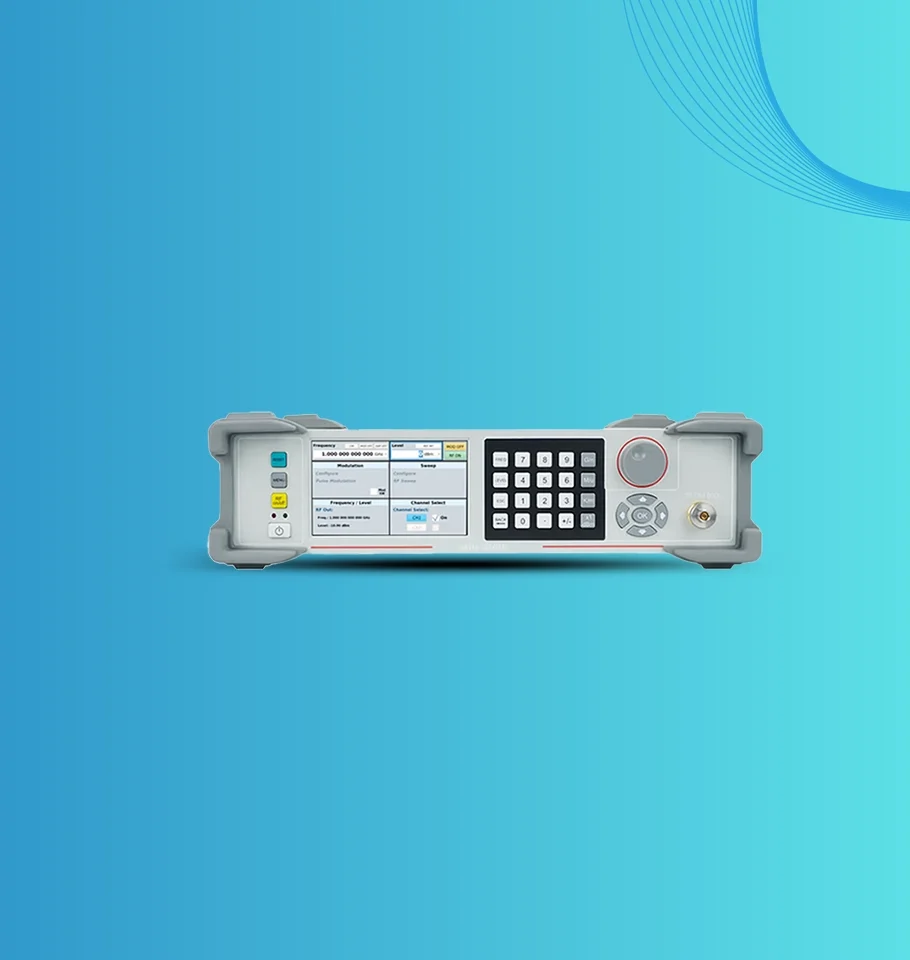
Analysis of Pulse Modulation Implementation in Microwave Signal Generators
In modern RF testing scenarios, pulse modulation is not a new technology, but when the frequency climbs to 21 GHz and the pulse width compresses to the 100 ns level, the difficulty of modulation implementation increases exponentially. For engineers engaged… Read More