





Customer Cases
-
-
Locating a Hidden Interference Source 2.3 km Away with the TFN Spectrum Analyzer
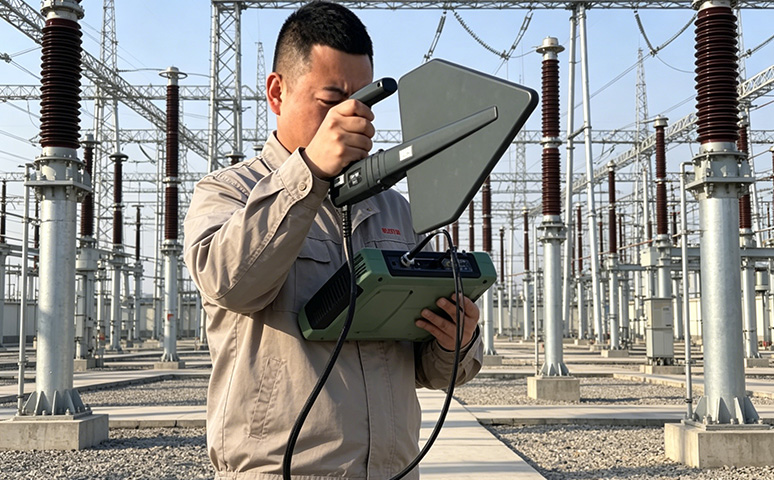
Background A critical communications operator recently encountered an unusual electromagnetic interference issue during routine spectrum monitoring activities. Engineers observed a persistent increase in the noise floor within a protected communication band, threatening signal quality and operational reliability. Despite several days of investigation using conventional monitoring methods, the source of interference remained unidentified. The interference characteristics…
-
How the TFN S7 Fusion Splicer Supports High-Demand Fiber Network Projects Worldwide

As telecom networks continue expanding toward higher bandwidth, denser 5G coverage, and more complex private communication infrastructure, fiber splicing equipment is facing increasingly demanding field conditions. From long-haul backbone deployment in remote outdoor environments to emergency restoration work on urban base stations, contractors and network operators require fusion splicers that can deliver consistently low splice…
-
Breaking the 100 km Barrier: How OTDR Enabled High-Precision Long-Haul Fiber Testing

A regional fiber network maintenance service provider had long focused on metro and access networks. While experienced in routine maintenance tasks, the company had limited exposure to long-haul backbone testing. As competition intensified, more projects began requiring: Without upgrading their testing capability, the company risked being excluded from higher-value backbone projects. The Challenge Long-distance fiber…
-
-
-
Locating a Hidden Interference Source 2.3 km Away with the TFN Spectrum Analyzer
Background A critical communications operator recently encountered an unusual electromagnetic interference issue during routine spectrum monitoring activities. Engineers observed a persistent increase in the noise floor within a protected communication band, threatening signal quality and operational reliability. Despite several days of investigation using conventional monitoring methods, the source of interference remained unidentified. The interference characteristics…
-
How the TFN S7 Fusion Splicer Supports High-Demand Fiber Network Projects Worldwide
As telecom networks continue expanding toward higher bandwidth, denser 5G coverage, and more complex private communication infrastructure, fiber splicing equipment is facing increasingly demanding field conditions. From long-haul backbone deployment in remote outdoor environments to emergency restoration work on urban base stations, contractors and network operators require fusion splicers that can deliver consistently low splice…
-
Breaking the 100 km Barrier: How OTDR Enabled High-Precision Long-Haul Fiber Testing
A regional fiber network maintenance service provider had long focused on metro and access networks. While experienced in routine maintenance tasks, the company had limited exposure to long-haul backbone testing. As competition intensified, more projects began requiring: Without upgrading their testing capability, the company risked being excluded from higher-value backbone projects. The Challenge Long-distance fiber…
-
-
-
Locating a Hidden Interference Source 2.3 km Away with the TFN Spectrum Analyzer
Background A critical communications operator recently encountered an unusual electromagnetic interference issue during routine spectrum monitoring activities. Engineers observed a persistent increase in the noise floor within a protected communication band, threatening signal quality and operational reliability. Despite several days of investigation using conventional monitoring methods, the source of interference remained unidentified. The interference characteristics…
-
How the TFN S7 Fusion Splicer Supports High-Demand Fiber Network Projects Worldwide
As telecom networks continue expanding toward higher bandwidth, denser 5G coverage, and more complex private communication infrastructure, fiber splicing equipment is facing increasingly demanding field conditions. From long-haul backbone deployment in remote outdoor environments to emergency restoration work on urban base stations, contractors and network operators require fusion splicers that can deliver consistently low splice…
-
Breaking the 100 km Barrier: How OTDR Enabled High-Precision Long-Haul Fiber Testing
A regional fiber network maintenance service provider had long focused on metro and access networks. While experienced in routine maintenance tasks, the company had limited exposure to long-haul backbone testing. As competition intensified, more projects began requiring: Without upgrading their testing capability, the company risked being excluded from higher-value backbone projects. The Challenge Long-distance fiber…
-