





En los proyectos de comunicaciones ópticas, hay una tarea que siempre causa problemas a los ingenieros de campo: identificar el cable óptico correcto entre docenas -o incluso cientos- de fibras de aspecto similar. Durante la construcción, las pruebas de aceptación o el mantenimiento rutinario, una sola identificación errónea puede provocar la interrupción del servicio, la repetición de los trabajos o incluso cortes en la red.
Durante muchos años, los técnicos no tenían más remedio que recurrir a métodos rudimentarios como doblar, congelar o cortar fibras para confirmar la identidad de los cables. Estos métodos son lentos, arriesgados e intrínsecamente destructivos. Incluso cuando el cable supera la prueba, su fiabilidad a largo plazo suele verse comprometida.
La aparición de la Identificador de cable óptico (OCID) ha cambiado radicalmente la forma de identificar las fibras. Al permitir verdaderos ensayos no destructivos, La tecnología OCID permite a los ingenieros confirmar la identidad de los cables de forma segura, rápida y con mucha más confianza.
Cómo funciona OCID: Convertir la fibra óptica en un sensor distribuido
La tecnología OCID se basa en una combinación del efecto elasto-óptico y la detección de interferencias ópticas. En términos sencillos, un dispositivo OCID inyecta una señal láser coherente en la fibra sometida a prueba. Dentro del instrumento, la luz se divide en dos haces que se propagan en direcciones opuestas y se recombinan para formar un patrón de interferencia.
Cuando un cable de fibra se golpea suavemente o vibra sobre el terreno, la tensión mecánica provoca cambios extremadamente pequeños en el índice de refracción de la fibra. Estos cambios alteran la relación de fase entre los dos haces de luz. La variación de interferencia resultante es detectada por un fotodetector y convertida en señales eléctricas.
Para el operador, esto aparece como una forma de onda en tiempo real -a menudo parecida a un trazado de ECG- junto con una respuesta audible. La fibra se convierte de hecho en un micrófono distribuido que permite al técnico situado en el extremo del instrumento distinguir claramente qué cable está siendo intervenido, sin tocar ni interrumpir los servicios en directo.
Dónde se utiliza el OCID: De las redes de telecomunicaciones a las infraestructuras críticas
Dado que la OCID no requiere cortar, doblar ni desconectar fibras, resulta especialmente valiosa en entornos en los que la seguridad y la fiabilidad son fundamentales. En las redes de telecomunicaciones, la OCID ayuda a los equipos de mantenimiento a localizar rápidamente las fibras objetivo en bastidores ODF o conductos subterráneos muy densos, lo que reduce significativamente el tiempo de resolución de problemas.
En los sistemas de comunicación de energía, donde los cables ópticos suelen discurrir junto a infraestructuras de alta tensión, la identificación no destructiva es esencial para la seguridad operativa. La OCID también se utiliza mucho en ferrocarriles, carreteras, túneles y explotaciones mineras, donde las condiciones de acceso son duras y los métodos de identificación tradicionales resultan poco prácticos.
Las instituciones financieras, los sistemas de seguridad y las instalaciones aeroespaciales también se benefician, especialmente cuando se trata de enlaces de fibra de alto valor o de misión crítica que no pueden tolerar daños accidentales.
Operación práctica: Identificación de cables con un dispositivo OCID
Utilizando un instrumento como el Identificador de cables ópticos GP200 (Unidad integrada OTDR), el proceso de identificación es sencillo pero eficaz. Tras conectar la fibra mediante un conector APC limpio, el operador establece la longitud aproximada de la fibra e inicia el modo de identificación.
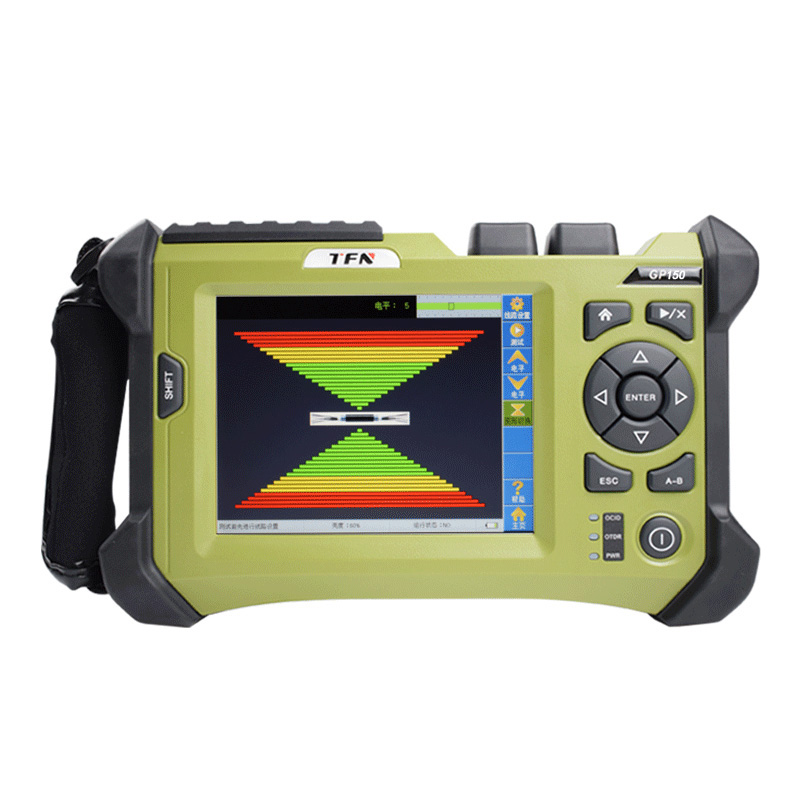
A continuación, el personal de campo puntea uno a uno los cables sospechosos. El operador situado en el extremo del instrumento observa la forma de onda y escucha la respuesta acústica. El cable correcto produce una respuesta clara y sincronizada que destaca del ruido de fondo o de las fibras adyacentes.
En la práctica, lo mejor es un ritmo de una pulsación por segundo. Golpear más cerca del extremo del instrumento suele mejorar la claridad de la señal y reducir las interferencias de los cables vecinos.
Problemas comunes en el campo y cómo los resuelven los ingenieros
La mayoría de los sistemas OCID son robustos, pero determinadas situaciones pueden afectar al rendimiento. Si no se observa ninguna respuesta, los técnicos suelen verificar primero el tipo de conector y su limpieza, ya que se requieren interfaces APC para una detección adecuada de las interferencias. También puede ser necesario ajustar la sensibilidad de la señal.
La diafonía puede producirse cuando los cables están muy juntos, lo que permite que las vibraciones se propaguen entre las fibras. En estos casos, separar físicamente los cables o reducir la fuerza de derivación suele resolver el problema. Cuando las reflexiones son débiles debido a largas distancias o malas condiciones de la fibra, la combinación de OCID con funciones OTDR puede ayudar a localizar fallos y mejorar la precisión de la identificación.
Por qué la OCID está sustituyendo a los métodos tradicionales de identificación de fibras
En comparación con los métodos tradicionales, la OCID ofrece una clara ventaja técnica. Elimina los daños físicos, acorta el tiempo de identificación y proporciona una confirmación audiovisual inmediata. Y lo que es más importante, permite a los ingenieros trabajar con confianza en entornos complejos como pozos de registro, túneles e instalaciones aéreas.
A medida que las redes ópticas se amplían y densifican, la identificación no destructiva deja de ser un lujo para convertirse en una necesidad.
Conclusión: Una forma más inteligente y segura de identificar cables ópticos
El identificador de cables ópticos representa algo más que un nuevo instrumento de prueba. Refleja un cambio más amplio en el mantenimiento de redes ópticas: de la verificación destructiva a la detección inteligente. Al aprovechar la detección de interferencias ópticas y vibraciones, la tecnología OCID establece un nuevo estándar de seguridad, eficiencia y fiabilidad en la identificación de fibras.
A medida que las redes crezcan en escala y complejidad, la OCID desempeñará un papel cada vez más importante para garantizar un funcionamiento estable y reducir el riesgo de mantenimiento en todos los sistemas de comunicación óptica mundiales.
Este artículo se ha compilado con el apoyo técnico del Equipo Técnico de TFN para proporcionar una referencia práctica y orientación sobre el terreno a los ingenieros de comunicaciones ópticas. Para más información sobre Identificador de cable óptico o productos específicos como las unidades integradas OTDR GP200 y GP180, por favor póngase en contacto con el equipo técnico de TFN o visite nuestras páginas de productos.