




في عملية نشر شبكة الألياف الضوئية وترقيتها، غالبًا ما تقصر طرق تركيب الكابلات التقليدية عند مواجهة القنوات الضيقة أو هياكل المباني المعقدة أو سيناريوهات الأسلاك عالية الكثافة. في السنوات الأخيرة على وجه الخصوص، ومع التطور السريع لشبكات الألياف الضوئية المنزلية (FTTH) والوصلات البينية لمراكز البيانات وشبكات الجيل الخامس (5G) الأمامية، شهدت الكابلات الصغيرة انتشاراً واسعاً بسبب قطرها الخارجي الصغير ووزنها الخفيف وأداء الانحناء الممتاز. ومع ذلك، فإن تركيب هذه الكابلات ذات القطر الرفيع بكفاءة وبدون تدمير في التوصيلات الدقيقة الموضوعة مسبقاً يشكل تحدياً حقيقياً للعديد من مهندسي الشبكات في هذا المجال. وفي هذا السياق، تصبح ماكينة نفخ الكابلات الموثوق بها والتي يمكن التحكم فيها بدقة أمراً بالغ الأهمية.
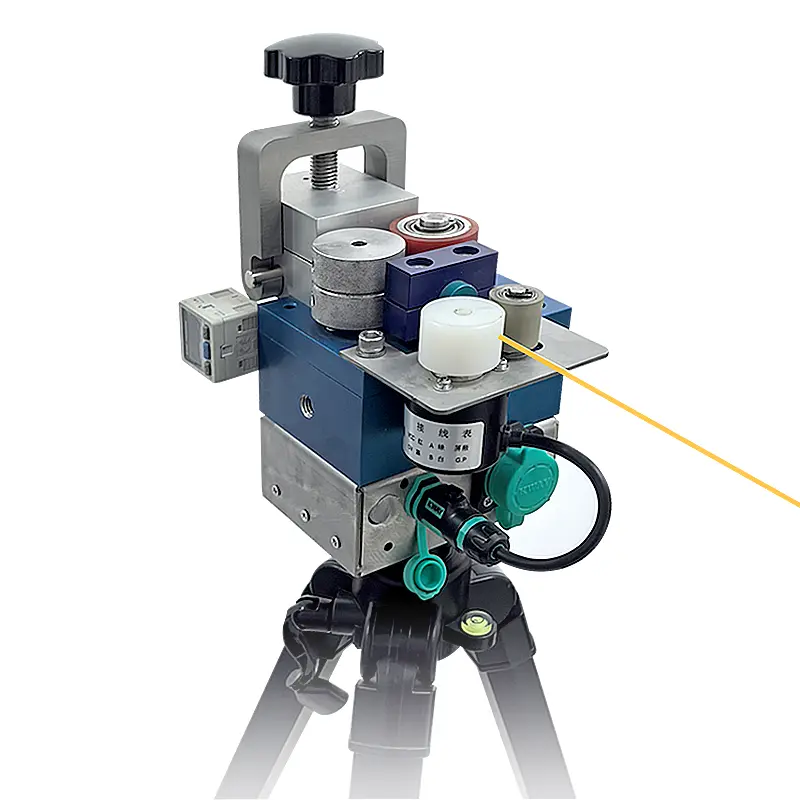
ماكينة نفخ الكابلات الدقيقة TFN T200D هي أداة احترافية مصممة خصيصًا لمواجهة هذا التحدي. ستحلل هذه المقالة خصائص أدائها وقيمة تطبيقها في تركيب الكابلات الصغيرة من منظور مهندس شبكات، استنادًا إلى ميزاتها التقنية.
1. التحديات التقنية والحلول التقنية لتركيب الكابلات الدقيقة
تشير الكابلات الدقيقة عادةً إلى الكابلات التي يتراوح قطرها الخارجي بين 1-3 مم، مثل الكابلات الدقيقة EPFU (الضيقة المخزنة) وكابلات الإسقاط. وتكمن ميزتها في تعظيم الاستفادة من موارد الأنابيب الدقيقة الموجودة أو المركبة حديثاً، وتحسين استخدام القنوات بشكل كبير، وتقليل تكاليف التركيب. ومع ذلك، فإن هذه الكابلات لها نوى هشة وأغلفة رقيقة، مما يجعلها عرضة للتآكل الشديد في الغلاف، أو الإجهاد المفرط للقلب، أو حتى الكسر أثناء طرق السحب أو الدفع التقليدية.
صُممت T200D خصيصًا للكابلات الصغيرة، ومبدأ T200D الأساسي هو “استخدام الهواء بدلاً من القوة”. فهو يولد دفعاً منتظماً عن طريق الهواء المضغوط لتعليق الكابل ودفعه داخل القناة، وبالتالي تجنب التلف الناجم عن التلامس الميكانيكي المباشر. هذه الطريقة مناسبة بشكل خاص للمسارات المعقدة ذات الانحناءات العديدة والمسافات الطويلة وأقطار القنوات الصغيرة.
2. خصائص الأداء الرئيسية للماكينة T200D في عمليات نفخ الكابلات الدقيقة
من وجهة نظر هندسية، يجب أن تمتلك ماكينة نفخ الكابلات الصغيرة الممتازة تحكمًا دقيقًا في الطاقة، وآليات حماية موثوقة، وقدرة جيدة على التكيف البيئي. يستحق أداء T200D في المجالات التالية اهتمامًا خاصًا:
2.1 التوافق الدقيق مع الكابلات الدقيقة مقاس 1-3 مم
تم تحسين المعدات لتتناسب مع الخصائص الديناميكية الهوائية للكابلات ذات القطر الرفيع، مما يضمن تدفق الهواء بفعالية على سطح الكابل لتوفير دفع سلس ومستمر. وهذا أمر بالغ الأهمية لمنع الكابل من الانحناء أو الالتفاف داخل القناة ويضمن سرعة نفخ ثابتة.
2.2 وظيفة الحماية الذكية من الحمل الزائد
أثناء التركيب، يمكن أن تتسبب انسدادات القنوات، أو الانحناءات الحادة، أو التشحيم غير الكافي في زيادة مفاجئة في المقاومة. يراقب نظام الحماية من التحميل الزائد التلقائي المدمج في T200D مقاومة الدفع في الوقت الفعلي. إذا تجاوزت المقاومة العتبة الآمنة للكابل، يقوم الجهاز تلقائيًا بضبطها أو إيقافها مؤقتًا، مما يمنع بشكل فعال تلف الغلاف أو تلف قلب الألياف أثناء البناء. هذه الميزة حيوية لحماية نوى الألياف القيمة والحفاظ على الأداء البصري للوصلة.
2.3 النظام الهوائي الفعال والتصميم المريح
تستخدم المعدات نظام هوائي فعال يوفر قوة دفع كافية مع التحكم في الضوضاء واستهلاك الطاقة. واجهة التحكم بسيطة وسهلة الاستخدام، مما يسمح للمهندسين بمراقبة المعلمات الرئيسية مثل ضغط الهواء والسرعة والمسافة في الوقت الفعلي. وهذا يسهل إجراء تعديلات سريعة بناءً على الظروف الميدانية، مما يحسن كفاءة التركيب ومعدلات نجاح المحاولة الأولى.
2.4 التصميم المدمج والقدرة على التكيف الميداني
نظرًا لمساحات العمل الضيقة مثل المناطق الداخلية والسلالم وغرف المعدات، يتميز T200D بتصميم مدمج وخفيف الوزن ومحمول، مما يجعله مناسبًا للتشغيل في طوابق مختلفة وفي البيئات محدودة المساحة.
3. سيناريوهات التطبيق النموذجية وتوصيات التركيب
استنادًا إلى ميزات الأداء المذكورة أعلاه، يمكن لماكينة نفخ الكابلات الليفية الضوئية الدقيقة T200D أن تُظهر قيمة كبيرة في السيناريوهات التالية
- تركيب كابل إسقاط FTTH: مناسبة لنفخ الكابلات الصغيرة من خلال القنوات الصغيرة من نقاط توزيع المباني إلى مباني العملاء الفردية، خاصةً للتجديدات في الأحياء القديمة ذات القنوات الصغيرة المثبتة مسبقًا Ф5 مم - Ф10 مم.
- نشر كابلات مركز البيانات: في بيئات الكابلات عالية الكثافة داخل مراكز البيانات، يتيح استخدام الموصلات الدقيقة والكابلات الدقيقة إمكانية التوصيل بين الخزانات بشكل أنيق وفعال.
- بناء شبكة الجيل الخامس Fronthaul 5G: تُستخدم لنفخ الكابلات خفيفة الوزن عبر قنوات ذات قطر صغير بين المحطات القاعدية أو من المحطات القاعدية إلى نقاط التجميع، مما يتيح النشر السريع.
للحصول على أفضل النتائج، يُنصح المهندسون بالانتباه إلى ما يلي أثناء التشغيل الفعلي:
- قم بتنظيف القناة وفحصها جيداً قبل التركيب للتأكد من خلوها من الحطام والماء.
- حدد مواد التشحيم المناسبة واستخدمها بشكل صحيح بناءً على القطر الخارجي للكابل والقطر الداخلي للقناة لتقليل معامل الاحتكاك.
- اضبط ضغط هواء ماكينة النفخ ومعلمات السرعة بعقلانية. ابدأ بسرعة أقل وزدها تدريجياً بمجرد إدخال الكابل بنجاح في القناة.
4. الخاتمة: أداة احترافية للتركيب الدقيق
باختصار، إن ماكينة نفخ الألياف الدقيقة TFN T200D ليست مجرد أداة “قوة غاشمة” ولكنها أداة دقيقة تدمج بين الهندسة الهوائية والتحكم الذكي وتقنيات حماية الكابلات. وهي تلبي بدقة المتطلبات الأساسية لمهندسي الشبكات من حيث الكفاءة والسلامة والموثوقية في عمليات نفخ الكابلات الدقيقة.
نظرًا لتطور شبكات الألياف الضوئية نحو مزيد من الكثافة والمرونة، فإن اختيار أدوات التركيب الاحترافية المناسبة هو المفتاح لضمان جودة بناء الشبكة وتقليل تكاليف الصيانة على المدى الطويل. يوفر ظهور ونضج آلات نفخ الكابلات الصغيرة المتخصصة مثل T200D دعمًا تقنيًا قويًا لنشر شبكات الكابلات الصغيرة عالية الجودة والكفاءة العالية، مما يجعلها جديرة بالتقييم والنظر من قبل مصممي الشبكات والقائمين على تركيبها للمشاريع ذات الصلة.
يُنصح المهندسون الذين يسعون إلى معرفة المزيد عن معدات تركيب الكابلات الدقيقة أو المواصفات الفنية المحددة ودراسات الحالة الخاصة بآلة نفخ كابل الألياف البصرية للقنوات الدقيقة بالرجوع إلى الدليل الفني المفصل للجهاز وإصدار أحكام شاملة بناءً على ظروف القناة الفعلية.
إذا كنت مهتمًا ب منفاخ الكابلات الصغيرة T200D, ، مرحبًا بك للتواصل مع فريق دعم TFN:
البريد الإلكتروني: info@tfngj.com
واتساب: +86-18765219251
أو يمكنك اترك رسائل هنا